
Understanding Safety Standards and Your Rights When Things Go Wrong
We navigate countless environments every day without thinking much about the standards that keep us safe. Buildings, public spaces, healthcare facilities, and workplaces all operate under strict requirements designed to protect people from harm.
But what happens when those standards aren’t met? Whether it’s a physical hazard that causes injury or a medical professional who fails to provide adequate care, understanding your rights matters.
This guide explores how safety and care standards work in Australia and what options exist when they fail.
The Foundation of Duty of Care
Duty of care is a legal concept that underpins much of our safety framework. It means that certain parties have an obligation to take reasonable steps to prevent foreseeable harm to others.
Property owners owe duty of care to visitors. Employers owe it to workers. Healthcare providers owe it to patients. The specifics vary, but the underlying principle remains consistent.
When someone breaches their duty of care and harm results, accountability mechanisms exist to address the failure.
Physical Accessibility and Safety
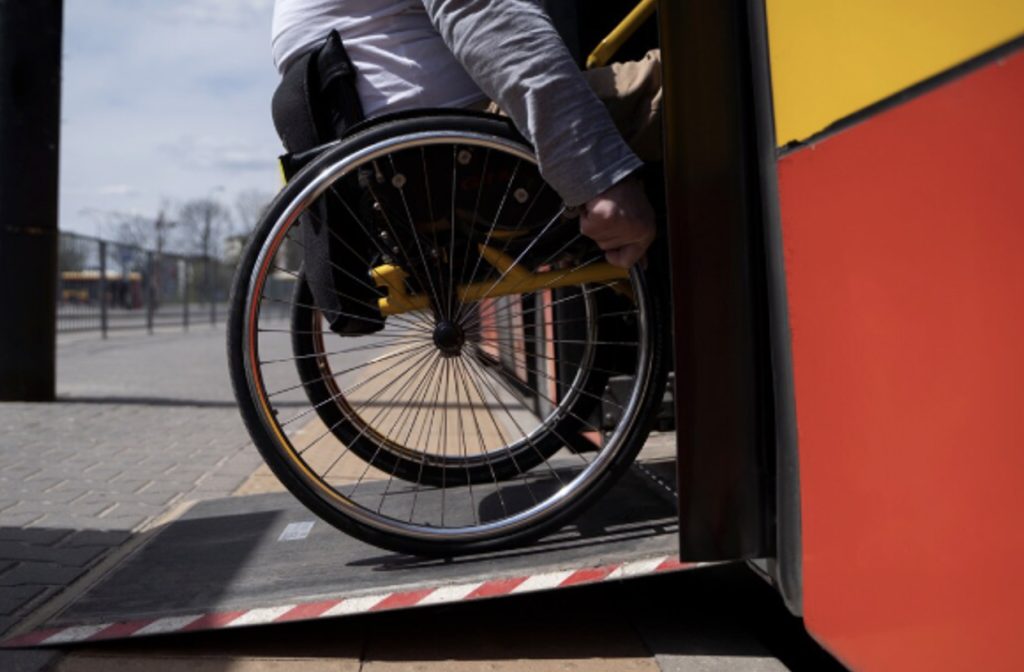
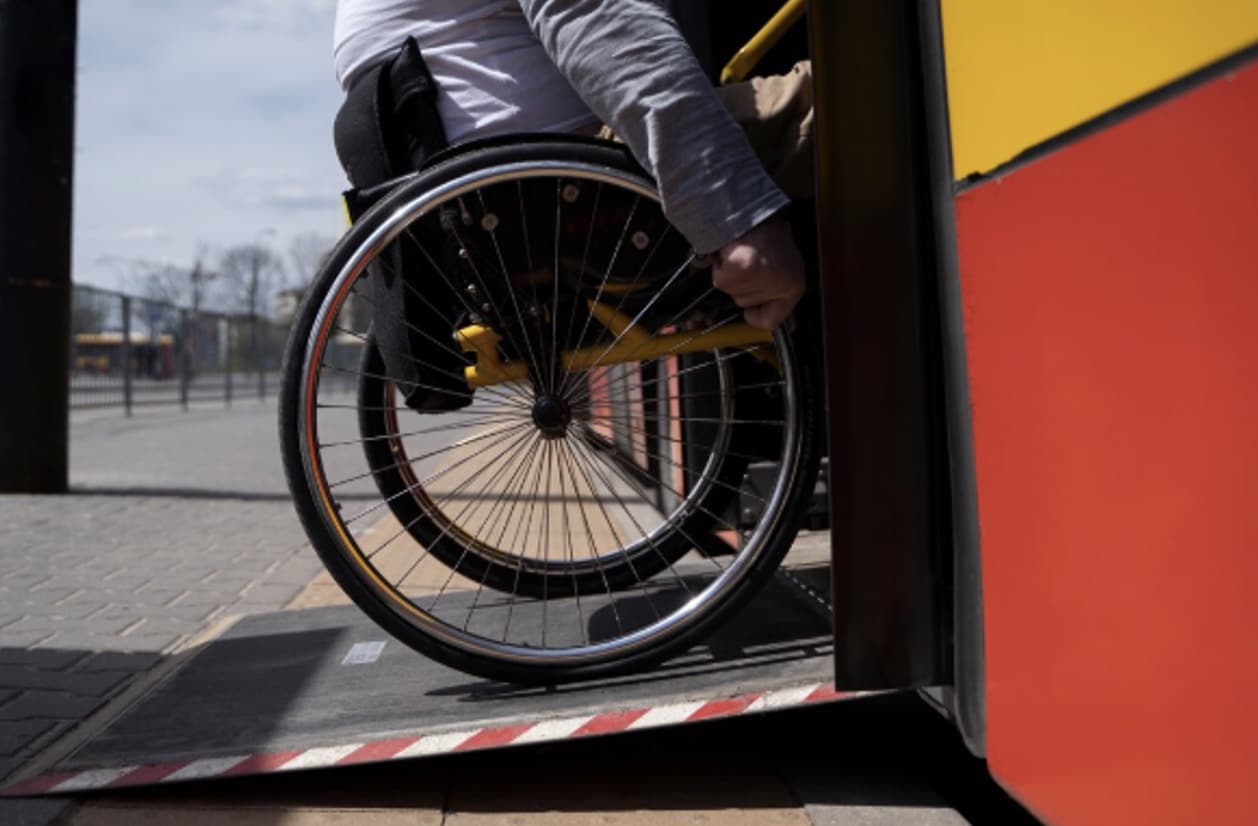
One area where duty of care manifests clearly is in building accessibility. Australian standards mandate specific features that allow people with disabilities to navigate spaces safely and independently.
These requirements aren’t optional add-ons. They’re legal obligations that property owners must meet. Failure to comply creates both regulatory consequences and potential liability if someone is injured.
Ramps represent one of the most visible accessibility features. But simply installing a ramp isn’t enough. The specifications matter enormously.
Getting the Details Right
An improperly designed ramp can be more dangerous than no ramp at all. Too steep, and wheelchair users lose control. Wrong surface materials create slip hazards. Missing handrails leave people without necessary support.
Understanding accessible ramp slope requirements is essential for anyone responsible for property compliance. Australian standards specify maximum gradients, landing requirements, and surface specifications that must be followed.
These aren’t arbitrary numbers. They’re derived from extensive research into safe mobility for people using wheelchairs, walkers, and other mobility aids. Compliance protects both property users and property owners.
Beyond Physical Spaces
While building accessibility represents one dimension of safety standards, duty of care extends into many other areas of life. Healthcare is perhaps the most critical.
When we seek medical treatment, we place enormous trust in healthcare providers. We expect accurate diagnoses, appropriate treatments, and competent care. The vast majority of healthcare professionals meet and exceed these expectations.
But the system isn’t perfect. Mistakes happen, and sometimes those mistakes cause serious harm.
Healthcare Standards and Expectations
Medical professionals in Australia are bound by extensive standards of practice. These standards exist to ensure patients receive safe, effective care regardless of where they seek treatment.
Doctors, nurses, surgeons, and other practitioners must maintain current knowledge, follow established protocols, and exercise appropriate judgment. When they fall short of these standards, patients suffer the consequences.
The injuries from medical failures can be devastating. Misdiagnoses allow conditions to worsen. Surgical errors cause permanent damage. Medication mistakes create new health problems. The physical, emotional, and financial toll on patients and families can be overwhelming.
When Care Falls Below Standard
Recognising that something went wrong with your medical care is often just the first step. Understanding your options and rights requires specialised knowledge that most people don’t have.
This is where consulting a clinical negligence lawyer becomes important. These legal professionals understand the complex intersection of medical standards and legal liability. They can assess whether what happened to you constitutes actionable negligence.
Not every bad medical outcome results from negligence. Medicine involves inherent uncertainties, and sometimes complications occur despite appropriate care. But when substandard care causes preventable harm, affected patients deserve proper recourse.

The Importance of Documentation
Whether you’re dealing with a physical injury from an unsafe property or harm from medical negligence, documentation strengthens any potential claim.
For property-related injuries, photograph the hazard if possible. Note the date, time, location, and any witnesses. Seek medical attention promptly and keep all records.
For medical negligence concerns, gather your medical records, note the timeline of events, and document how the injury has affected your life. This information helps legal professionals assess your situation accurately.
Understanding the Claims Process
Pursuing any negligence claim involves navigating complex legal and procedural requirements. Time limits apply, evidence must be gathered, and expert opinions are often necessary.
For medical negligence cases particularly, establishing that care fell below acceptable standards typically requires input from medical experts who can review what happened against professional benchmarks.
This complexity is why professional guidance matters. Attempting to navigate these waters alone often leads to missed opportunities or inadequate outcomes.
Prevention Remains the Priority
While accountability mechanisms exist for when things go wrong, prevention is always preferable. Property owners should audit their facilities regularly against current accessibility and safety standards.
Healthcare providers should maintain robust quality assurance processes. Patients should feel empowered to ask questions, seek second opinions, and advocate for their care.
A society that takes safety standards seriously benefits everyone. Fewer injuries mean less suffering and lower costs across the system.
Your Role in Safety
As individuals, we can contribute to safer environments. Report hazards when you see them. Provide feedback to businesses about accessibility concerns. Speak up when something in your healthcare doesn’t seem right.
These actions benefit not just you but everyone who uses the same spaces and services. Collective vigilance strengthens the entire safety framework.
Knowing Your Rights Matters
Understanding that standards exist and that recourse is available when they’re breached empowers you to act appropriately when problems arise.
You don’t need to become an expert in building codes or medical law. But knowing that experts exist and can help when you need them provides important peace of mind.
Safety standards and duty of care obligations exist because we’ve collectively decided that preventing harm matters. When prevention fails, accountability ensures that those who suffer have pathways to justice and recovery.
Whether you’re a property owner working to meet accessibility requirements or someone who has experienced harm due to negligence, resources exist to help you navigate the situation. Taking advantage of those resources protects your interests and reinforces the systems designed to keep everyone safe.