
When the Audience Becomes the Problem, Who Owns the Theatre?
There is a moment in the theatre when the house lights rise, the orchestra pauses, and the unspoken rules of the room are suddenly tested. That moment is now playing out far beyond the walls of the Mamma Mia! auditorium at the Winter Garden Theatre, thanks to a viral video that has reignited an old argument with very modern intensity.
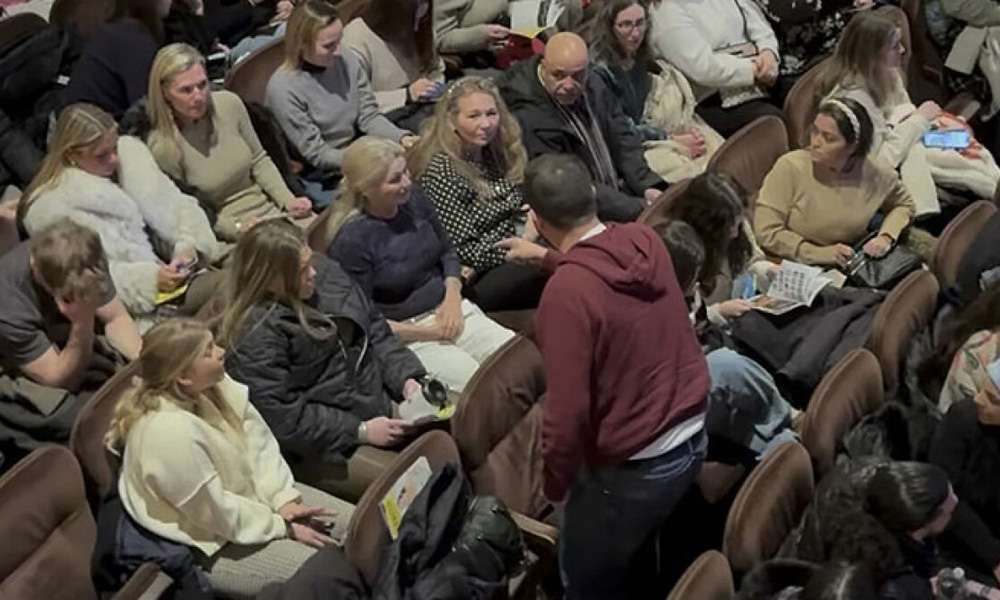
In the clip, a man confronts fellow audience members during intermission, accusing them of singing loudly, talking, and being disruptive throughout the first act. His voice is raised. Security is called. The theatre falls into a stunned silence. It is uncomfortable to watch, not just because of the volume, but because it forces a question many theatregoers have quietly asked from their seats. At what point does enthusiasm become entitlement?
Musicals like Mamma Mia sit in a strange cultural space. Built on pop songs many people know by heart, they invite joy, recognition, even nostalgia. For some, that familiarity feels like permission to participate vocally. For others, it is precisely why silence matters. They paid to hear the performers, not the row behind them.
The man at the centre of the video says he asked politely first. That his requests were ignored. That profanity was directed at him, his wife, and his teenage nieces. That what pushed him over the edge was seeing one of the women wave her hands over his nieces’ heads while he was seeking an usher. If that is true, does the volume of his response suddenly feel more understandable?
Then again, there is the counterpoint. Yelling in a theatre, especially in front of children, escalates rather than resolves. Some argue that no matter how rude the behaviour, raising your voice turns a breach of etiquette into a public confrontation. Is there ever a moment when anger improves the experience for anyone else in the room?
What complicates this further is that the performers themselves noticed. When an actor onstage can hear audience members singing during a number, it suggests the disruption was not imagined. Yet the women involved reportedly left feeling punished for simply enjoying the show. Where is the line between shared joy and shared responsibility?
The reaction online has been almost evenly split. Some side with the man, saying theatre etiquette exists for a reason and enforcing it protects the experience everyone paid for. Others feel the response was excessive, that adults should de escalate, not detonate.
So here is the real question, and it is not about one man or one group of women. When you sit in a theatre, what do you believe you are buying? A ticket to participate, or a ticket to listen? If someone ruins the show for you, do you stay silent, seek help quietly, or speak up in the moment?
And if you were sitting nearby, what would you want that person to do?
The applause will fade, the viral clip will pass, but the tension between personal expression and communal respect is not going anywhere. The next time the lights dim and the opening notes begin, whose rules should matter most, yours or everyone else’s?