
Broadway 2026 Signals a Creative Reset, and the Stage Is Better for It
Broadway has always thrived on reinvention, but the 2026 season feels less like a reinvention and more like a recalibration. After several years dominated by Hollywood driven casting, stunt headlines, and ticket prices that tested even the most loyal theatre lovers, the coming year signals a quieter but more confident shift. Star power still matters, but it is no longer doing all the heavy lifting.
Instead, Broadway in 2026 looks increasingly interested in balance. Big names share space with ambitious new writing, bold reimaginings sit alongside classic revivals, and the season’s most intriguing offerings are defined less by celebrity than by curiosity. It is a slate that feels thoughtfully assembled rather than algorithmically engineered.
At the intimate end of the spectrum sits Every Brilliant Thing, a one person work that has quietly become one of the most performed contemporary plays in the world. Daniel Radcliffe returns to Broadway following his Tony winning turn in Merrily We Roll Along, this time stripping things back to audience interaction and emotional honesty. The limited 13 week run feels deliberate. In a season crowded with spectacle, a solo meditation on why life is worth living reads as both counterprogramming and a statement of intent.
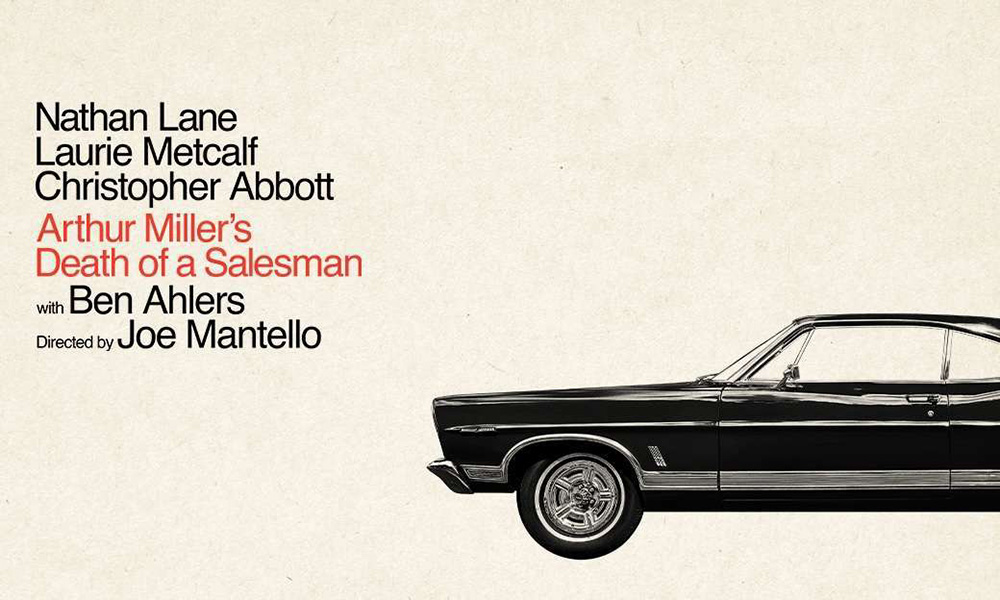
That sense of intent carries through to the return of Death of a Salesman, starring Nathan Lane and Laurie Metcalf. Yes, Broadway has seen this play recently, but this pairing reframes the revival as an actors’ event rather than a repertory obligation. It is also emblematic of the season’s mood. These are not novelty castings, they are performers with deep theatrical credibility returning to foundational material.
The same principle applies to Dog Day Afternoon, which brings Jon Bernthal and Ebon Moss-Bachrach to Broadway in their stage debuts. Both actors arrive with huge television followings, but the draw here is not recognition alone. Pulitzer winner Stephen Adly Guirgis has adapted the story with theatrical urgency in mind, and the production positions itself as a serious new play rather than a prestige celebrity cameo.
West End transfers also feature prominently, led by Giant, with John Lithgow reprising his Olivier Award winning performance as Roald Dahl. Set over a single afternoon, the play interrogates the writer’s antisemitism and public legacy with restraint rather than bombast. Its arrival on Broadway underscores the appetite for intellectually challenging drama that trusts audiences to sit with discomfort.
Musicals, meanwhile, are embracing reinvention rather than replication. Cats: The Jellicle Ball is perhaps the clearest example. After a sold out run at the Perelman Performing Arts Center, this ballroom infused reinterpretation brings Andrew Lloyd Webber’s most divisive hit back to Broadway with a radically different energy. It is recognisable, but not nostalgic. That distinction matters.
At the other end of the musical spectrum sits Titaníque, the cult hit that reimagines the Titanic story through the voice and mythology of Celine Dion. With Marla Mindelle, Jim Parsons, and Deborah Cox in the cast, it represents Broadway’s growing comfort with self aware comedy that celebrates pop culture without condescension.
Screen adaptations still have a place, but they feel more selective. The Lost Boys leans into supernatural nostalgia, while Beaches centres female friendship over cinematic spectacle. Notably, Jessica Vosk originates a role here for the first time on Broadway, signalling a potential awards season narrative built on performance rather than brand.
August Wilson’s work returns with renewed urgency in Joe Turner’s Come and Gone, featuring Taraji P. Henson and Cedric The Entertainer. In a volatile political and social climate, Wilson’s examination of identity, displacement, and survival feels less like a revival and more like a reckoning.
There is also space for contemporary classics to be reconsidered. Proof receives its first New York revival with Ayo Edebiri and Don Cheadle making their Broadway debuts. The pairing bridges generations and mediums, but the play itself remains the draw, a reminder that strong writing endures.
Perhaps the most telling inclusion of all is Schmigadoon!. Adapted from the beloved Apple TV series, and arriving on Broadway despite its streaming cancellation, the musical feels emblematic of the season’s spirit. It is quirky, theatrical, unapologetically niche, and grounded in genuine love for musical theatre history. That it is receiving a limited Broadway run at all speaks volumes.
Taken together, Broadway’s 2026 season suggests a renewed confidence in the art form itself. Celebrity is no longer the headline, it is a supporting player. The focus has shifted back to writing, performance, and reinterpretation. For audiences, that means fewer gimmicks and more reasons to actually go to the theatre.
It may not be the loudest season Broadway has ever had, but it might be one of the most interesting.