

Entertainment for Australians: Combining Theatre and Digital Technologies
Thanks to modern technologies and traditional theatre, Australians can appreciate theatre in more ways than ever. These technologies create exciting and contemporary ways to experience theatre, including virtual realities and live-streamed performances, eliminating the need to be in physical venues.
The same is happening in the world of gaming. Australians no longer have to travel to brick-and-mortar casinos to get an immersive experience because of live dealer games and virtual reality experiences reputable online casinos offer. For the best playing experiences, use these bonus codes if you are Australian player.
Today, let’s explore how combining modern technologies and theatre opens new opportunities for the audience and the creator and revolutionises the entertainment industry.
Theatre in the Modern Digital Age
The theatre is deeply ingrained in Australians’ cultural identity. Many renowned venues and performances, like the final leg of the Tina Turner Musical tour in Melbourne, have captured the Australian audience for decades.
With the fast development of digital technologies, the possibilities for live performances are almost endless. Theatre companies keep exploring new ways to reach audiences and enhance their theatrical experiences.
Live Streaming Brings Theatres Closer to a Wider Audience
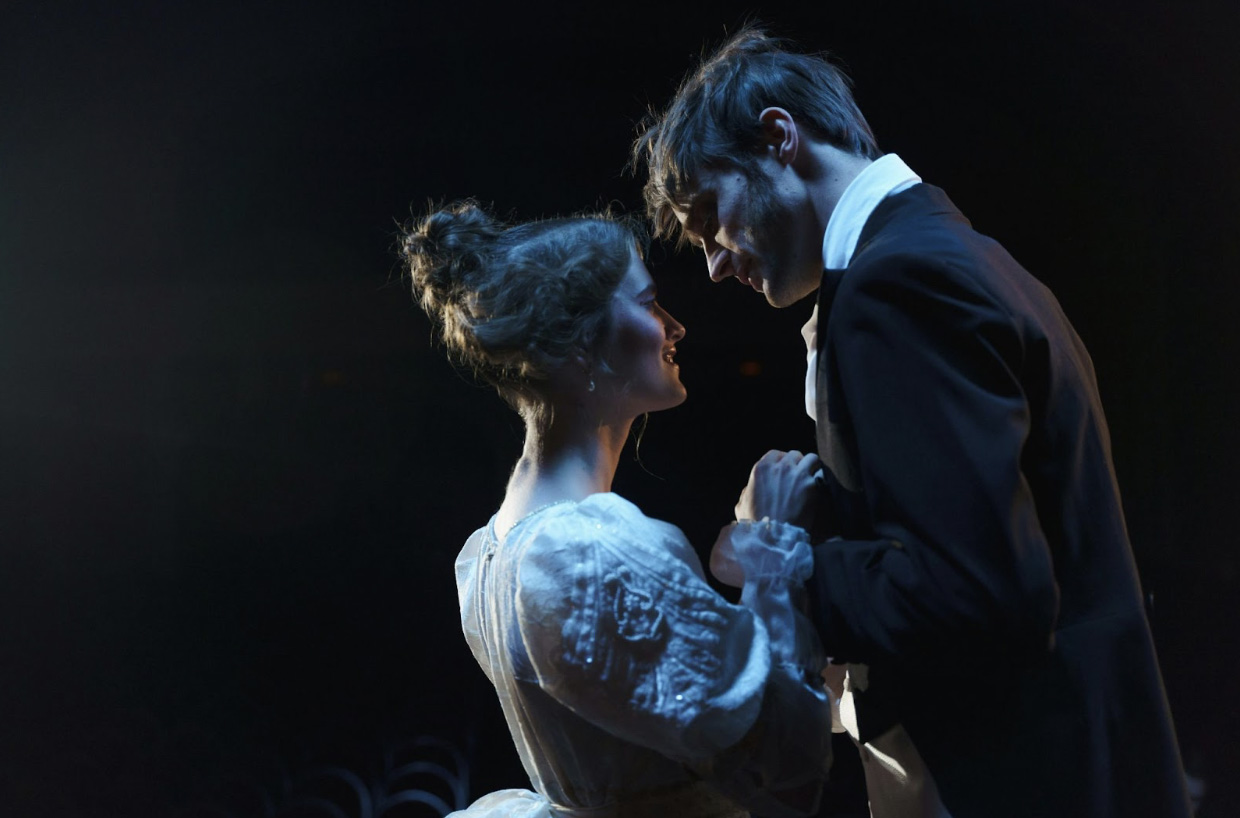
Virtual performances and live-streaming content became increasingly popular, especially during the COVID-19 pandemic when Australia’s theatres used digital platforms for virtual performances and to keep their businesses afloat.
Theatre companies can broadcast their shows online, reaching more audiences, especially those who cannot travel or attend in person. For this, live streaming on social media platforms has been an essential tool for theatres, including for the actors.
Embracing the power of digital technologies, companies started using a hybrid model (face-to-face and online) to keep performances alive and allow virtual and physical audiences to watch the shows simultaneously.
Theatres offer audiences exclusive online access, even to sold-out shows, giving them the chance to watch a stellar performance from their homes or anywhere in the world and broadening the theatre’s reach. This has also made theatre more accessible, particularly for those living with mobility issues or in rural areas.
The Advent of Augmented Reality and Virtual Reality
Australians can now also experience theatre in other modern ways, including augmented and virtual reality.
If you want an immersive experience, VR allows you to feel as if you’re in a virtual world. You can immerse yourself in the environment and interact with theatre characters, offering an innovative way of engaging in theatres. Passive spectators also become active audiences and participants in the story.
Next, we have augmented reality (AR), blending digital and physical elements wherein the performers and actors can interact with augmented-reality-generated characters or objects.
Some production companies also allow audiences to use AR-compatible and enabled devices, such as AR glasses or smartphones. This lets them view more content layers during the show, such as seeing elements or characters that are not physically present. It provides audiences with new perspectives and enhances the narrative of the performance.
The advancements of virtual and augmented reality offer exciting opportunities for storytelling and provide interactive and engaging audience experiences.
Digital Trend Adaptation

Many production companies and theatres embrace digital trends and incorporate them with innovative tools into production. Even iconic venues like the Melbourne Theatre Company and the Sydney Opera House have added modern and digital elements to enhance the audience experience. Live performances are blended with soundscapes, multimedia displays, and projections.
However, using digital tools does not end at the stage because theatres also offer visitors behind-the-scenes virtual tours, allowing them to have a 360-degree view of the venue without being there. This innovative offering not only expands the theatre’s reach but also preserves cultural heritage through documentation and builds an extensive audience engagement.
Australian artists, scriptwriters, technical staff, and designers can also explore more opportunities, such as experimenting with different functions and forms, collaborating across disciplines for multimedia performances, and combining new technologies with traditional storytelling.
What Is the Future of Australian Theatre?
The future of Australian entertainment looks promising, with technology and theatre joining forces to offer better audience experiences and opportunities for artists and the entire production team to reach a wider audience and use various digital tools for livelier performances.
Theatre companies now have global reach, showcasing their masterpieces beyond their localities. Thus, people worldwide and Australians living overseas can witness real-time productions anywhere they are, exposing Australian theatre globally, promoting cross-cultural exchange, and attracting new audiences.
As technology evolves and becomes more sophisticated, the possibilities are endless. Still, it is essential to ensure that human connection remains the heart of live performance and the centre of the experience.
Final Thoughts
We’re witnessing an intersection of digital technologies and traditional theatre, transforming the entertainment landscape for the Australian audience and making the theatrical experience more exciting, engaging, and accessible. Theatre fans can expect more developments and a future when they can experience more live performance magic.

