Why I Stay Seated When Everyone Else Jumps to Their Feet
By refusing to stand for every curtain call, I’m not trying to spoil anyone’s fun, just protect the meaning of a gesture that’s becoming empty.
The ovation inflation
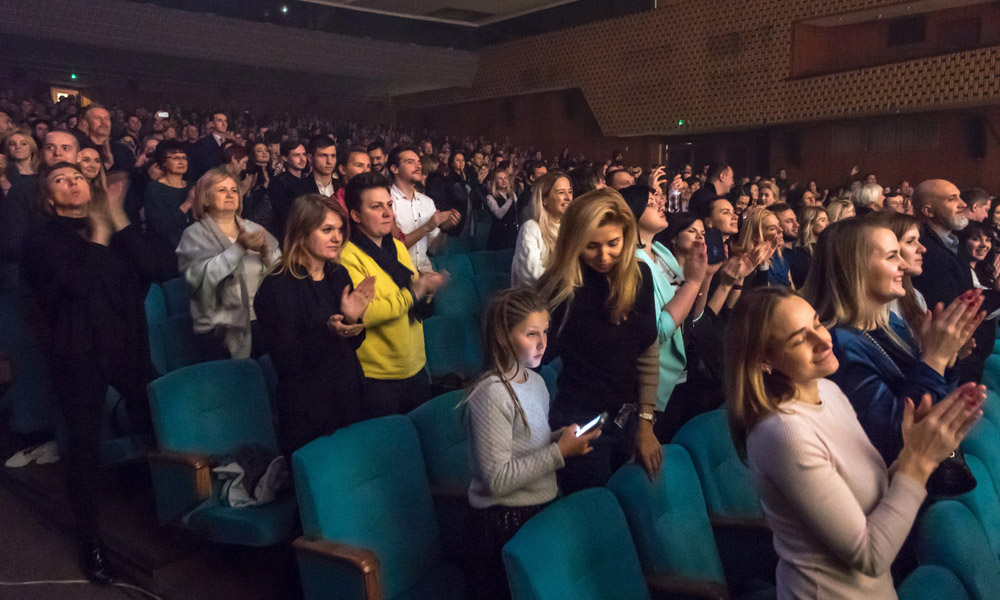
In theatres from New York to Seoul, the standing ovation has shifted from rare accolade to default setting. A decade ago, audiences reserved their full-body applause for evenings that left them electrified; today it’s almost as predictable as the lights going up. If a show doesn’t earn one, the silence feels deafening for cast and crowd alike.
That routine cheers some people. After all, why not shower performers with appreciation? Ticket prices rarely leave change for dinner, and many patrons travel long distances for a single night out. For them, rising to clap is part of the experience, a joyful release after months of anticipation.
Yet the very abundance of this habit drains it of power. When every production earns the same finale, the scale collapses: there’s no longer a way to signal that this show, this performance, was truly life-altering. And audiences sense the dilution. Many theatre-goers now admit they stand mostly to avoid looking ungrateful or aloof, not because the piece moved them beyond words.
Social pressure in plush seats
The awkwardness is universal. In London I’ve felt the heat of 2,000 pairs of eyes as I stayed seated; friends in Chicago and Melbourne report the same. Theatre has always carried unspoken rules, don’t unwrap sweets mid-soliloquy, silence your phone, but the modern expectation to leap up at the final bow is unusually intense. Remain seated and you risk being tagged a snob who “hated” the show, or worse, a killjoy denying the hard-working cast their due.
Such groupthink is amplified by staging choices. Curtain calls today are almost mini-productions: pulsating lights, swelling music, choreography designed to tug bodies upward. Directors know psychological cues matter; builders of theme-park rides and political rallies use them, too. When an anthem blasts and the ensemble high-kicks in sequence, staying in your seat can feel like resisting gravity.
The performers’ perspective
Here’s the twist: actors can usually tell the difference between spontaneous uplift and dutiful conformity. Those who’ve spoken publicly say a true, rip-from-the-heart ovation carries a special electricity, one they feel on stage for hours. Manufactured applause, by contrast, delivers polite warmth but little after-glow. The irony is that blanket standing ovations may satisfy social convention while robbing performers of genuine feedback.
Why keeping my seat matters
For me, applauding from the chair is an act of honesty, not negativity. If a production dazzles, tears my composure to shreds or leaves me pondering life at 3 a.m., I’ll be on my feet before the house lights change. But solid competence, witty dialogue or a catchy chorus, while enjoyable, doesn’t automatically warrant the same accolade I reserve for something transcendent.
Think of star ratings in film reviews. If every release receives five stars, the system becomes meaningless; audiences lose a trusted guide. The same logic applies to ovations. By standing only when a show profoundly affects me, I preserve a language of appreciation with real nuance: applause from the seat for good work, thunderous cheers on my feet for the unforgettable.
A call for ovation pluralism
None of this is a plea to ban the practice. If you’ve spent your savings on a single ticket this year and the finale makes you levitate with joy, stand tall and relish it. If you’re part of cultures, regional or generational, where rising to clap is standard courtesy, keep that tradition. The point is choice without judgment. Enthusiasm can coexist with authenticity; audiences should feel free to express either without shame.
Producers, meanwhile, might reconsider engineering the moment so aggressively. Let the emotional arc of the play or musical decide whether a wave of humanity rises. Standing ovations born of silence and collective awe will always trump those triggered by clever lighting cues.
The value of genuine peaks
Theatre survives on magic: a temporary communion of strangers breathing the same air, united by story. When everything is awarded the highest medal, those peaks flatten. Saving our standing ovations for occasions that truly warrant them keeps the top of the mountain intact, and ensures that when we do leap up, performers know they’ve achieved something extraordinary.
So the next time you see me clapping vigorously yet firmly seated, know that I’m engaged, grateful and maybe even impressed. I’m just waiting for those rare nights when the show raises me to my feet before I realize I’ve moved. And when that happens, I’ll be standing tall with everyone else, this time, for all the right reasons.
Photo Credit: DepositPhotos.com