
What subscription fatigue is teaching Australians about the value of one-off experiences
There is a moment familiar to anyone who has audited their monthly outgoings in the last year or two: the quiet shock of realising how many recurring charges have accumulated, each individually reasonable, collectively significant. Streaming services, music platforms, cloud storage, fitness apps, news sites: the subscriptions multiplied quietly while attention was elsewhere, and by the time most people notice the total, they have already paid for several months of services they barely used. This is subscription fatigue, and in Australia, it has moved from an abstract complaint into a measurable shift in how people think about spending on experiences.
The numbers are striking. Deloitte’s 2025 Digital Media Trends found that 41% of consumers say streaming content is not worth the price, a figure that has risen five percentage points from 2024. In Australia specifically, the share of viewers opting for ad-supported streaming tiers soared from 10% in 2023 to 28% in 2024, a signal that the appetite for premium subscriptions is softening even among people who still want the content. Nearly half of streaming subscribers globally say they pay too much for the services they use, and cancellation rates are rising across categories. The era of frictionless subscription sign-ups, where a free trial became a permanent charge almost by design, is encountering the limits of how much recurring expenditure people will tolerate before they start making cuts.
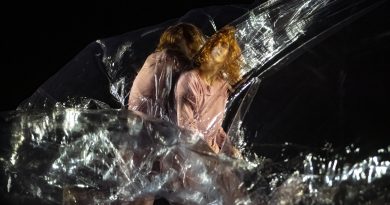
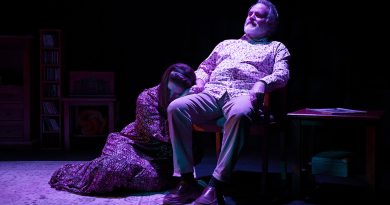
What subscription fatigue is teaching people, almost incidentally, is a renewed appreciation for how one-off experiences feel by comparison. A live theatre ticket costs money once. You attend, you experience something that cannot be replicated on a screen or revisited on demand, and the transaction is complete. There is no monthly reminder, no annual renewal, no quiet accumulation of cost over time. The value is immediate and contained, which is exactly what recurring charges are not. Aussie Theatre has reported on how the rise of streaming and on-demand content has put real pressure on live theatre attendance, with audiences reconsidering where their entertainment budget goes. But subscription fatigue may be working in live performance’s favour: as people grow more selective about recurring commitments, the discrete cost of a ticket can start to feel like a more honest transaction.
The same dynamic is visible across other categories of one-off digital entertainment. Australians who have grown tired of paying monthly fees for services they use inconsistently are increasingly drawn to platforms where the commitment is bounded: you pay for access to something specific, use it, and the exchange is done. Online casinos sit clearly in this category: there is no subscription, no renewal date, and no passive accumulation of cost during months when you are not engaged. That structural simplicity is part of what makes the space attractive to people reassessing their recurring commitments, and it has supported a whole ecosystem of independent review resources, like VerifiedPokies casino reviews, that help players navigate options in a market where the one-off nature of each session puts more weight on the initial choice of platform.
What this means for how Australians spend on culture
The implications for the broader entertainment economy are still playing out, but the direction is reasonably clear. Subscription models work best when the value delivered is consistent, ongoing, and clearly felt by the subscriber. Where that condition is not met, the model produces churn and resentment rather than loyalty. The categories of entertainment that never had a subscription model to begin with, live performance, ticketed events, discrete digital experiences, are benefiting from the comparison. They were never promising ongoing value: they were promising a specific experience at a specific time, and the honesty of that proposition is becoming more attractive as the alternative model loses credibility.
According to global subscription fatigue research, the three primary drivers of cancellation are lack of perceived value, hidden or unpredictable fees, and a feeling of losing control over recurring expenditure. Each of these is the structural opposite of what a one-off experience offers. A theatre ticket has a visible price. It delivers a specific experience on a specific date.
And it does not renew. For audiences who have spent years managing an expanding roster of subscriptions, those qualities are beginning to feel less like limitations and more like features.
The lesson subscription fatigue is teaching Australians is not that they want to spend less on entertainment. The data does not support that reading: spending on experiences has held up through the same period that streaming cancellations have risen. What people want is to feel that what they spend is proportionate to what they receive, that the exchange is legible, and that they are choosing rather than defaulting. One-off experiences offer all of that by design. The task for anyone in the business of delivering them is to make that offer visible and compelling enough that it lands as the alternative it actually is.