
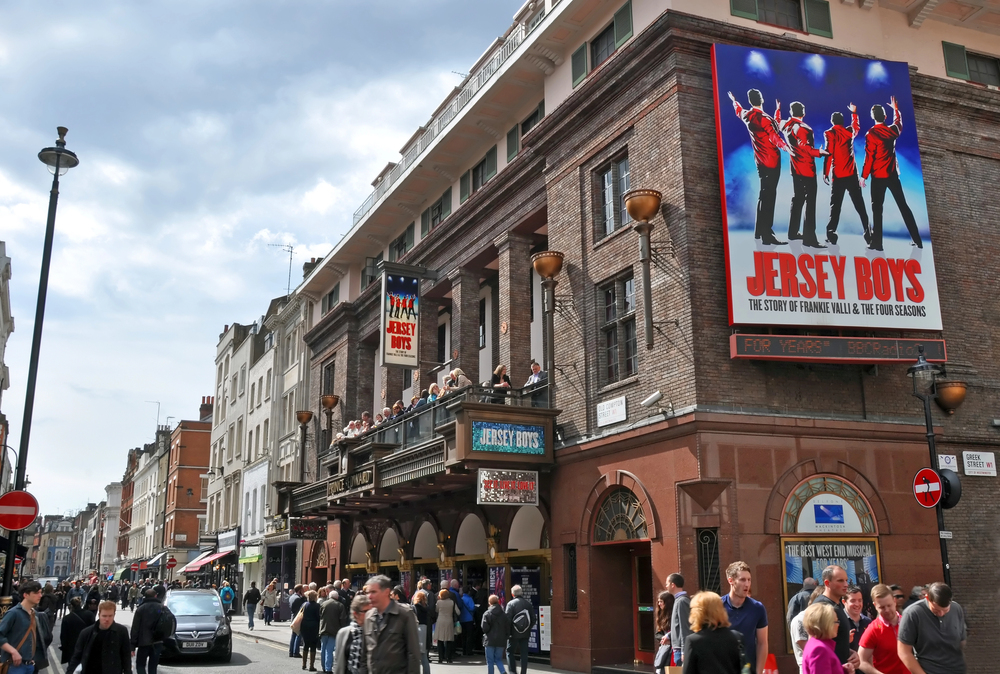
US Producers Shift New Shows to the West End as London Offers Cost Relief
American theatre producers are increasingly premiering new musicals and plays in London, attracted by production budgets that can be less than a quarter of Broadway’s and by audiences that have rebounded faster than those in the United States. The trend is turning the West End into an informal research-and-development hub for works that hope to conquer New York in the future.
Provincetown producer Mark Cortale, currently staging Maiden Voyage at Southwark Playhouse, observes that launching a show in Manhattan often requires colossal budgets, whereas London offers comparable creative opportunities at far lower cost. For many producers, the financial risk profile in the UK is simply more manageable.
Different recoveries on either side of the Atlantic
Broadway still grapples with steep real-estate prices, higher union wages, and box-office receipts that lag pre-pandemic levels, while uncertainty about inbound tourism remains a concern. In contrast, West End ticket sales climbed to 17.1 million in 2024, an increase of 11 percent over 2019, a surge that has encouraged a steady flow of American-backed projects ranging from adaptations such as The Devil Wears Prada and Clueless to experimental offerings like Oscar at the Crown.
London as a new staging ground
Chicago and San Diego once served as the preferred try-out cities for Broadway-bound productions, but many American producers now use London to refine shows away from the scrutiny of New York critics. After a lukewarm run in Chicago, The Devil Wears Prada moved to London for further development, and industry observers expect the production to return to the United States once changes are complete.
Financing and risk management
Producer Michael Harrison, who successfully transferred Sunset Boulevard to Broadway, calculates that a musical costing two to three million pounds in London can require up to fifteen million dollars in New York. Smaller budgets in the UK allow shows to build audiences gradually, and a misfire is less likely to close within weeks.
Eleanor Lloyd, whose credits include Emilia and Shifters, notes that London’s more forgiving economics broaden the range of viable material. A commercial disappointment in the West End might lose a five-figure sum, while a similar result on Broadway could generate million-dollar weekly losses.
Cultural considerations
Cost and geography aside, producers must still gauge local tastes. Robert Icke’s adaptation of 1984 resonated with London’s younger, price-sensitive audiences, yet struggled on Broadway, where higher ticket prices limited its reach and the graphic final scene proved divisive. Conversely, some provocative U.S. musicals, such as A Strange Loop, have thrived in New York but fared modestly in London, underlining how audience preferences differ across markets.
Impact on British talent
The influx of American projects coincides with a lull in major premieres by UK musical-theatre writers. Industry figures like director-producer Adam Lenson argue that local creators should receive comparable investment and resources. Last year’s Olivier Award for The Curious Case of Benjamin Button highlighted domestic potential, yet the 2025 slate features few homegrown contenders, apart from the forthcoming Paddington The Musical.
New plays enjoy stronger support through the UK’s subsidised theatre network, although overall production levels remain down compared with a decade ago. Despite hopes for revitalised arts funding after the recent election, significant change has yet to materialise.
Growing transatlantic collaboration
While concerns persist that imported shows could crowd out British work, many producers view the current moment as mutually beneficial. Increasing numbers of co-productions pool budgets, talent, and expertise on both sides of the Atlantic, reinforcing ties between London and New York. Cortale’s London venture, for example, employs a British cast and creative team, channeling American capital into local jobs.
Looking ahead
With lower costs, enthusiastic audiences, and rising transatlantic collaboration, London is likely to remain an attractive launchpad for American theatre. For West End patrons, the trade-off is clear: they gain early access to potential Broadway hits, but sometimes encounter shows still in refinement. Whether that balance represents a creative boon or a commercial gamble will continue to shape the future of theatre on both shores.
Photo Credit: DepositPhotos.com