The Real Comedy of Errors: How JD Vance’s Cheap Shot at Broadway Exposes a Deeper Hypocrisy
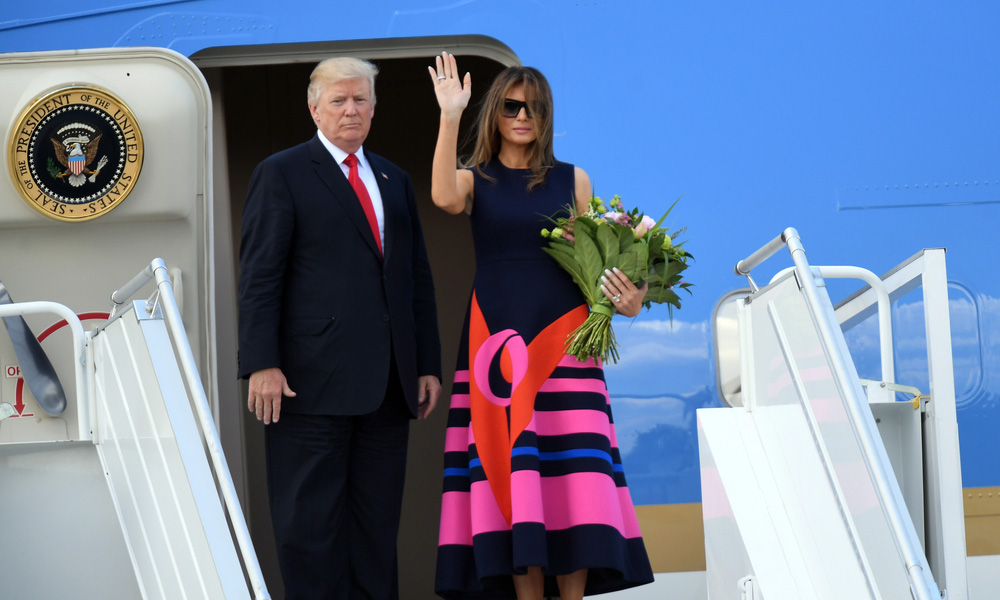
Vice‑President JD Vance thought he was being clever when he fired off a throw‑away gag conflating Les Misérables with Sweeney Todd before accompanying Donald and Melania Trump to the Kennedy Center’s opening night of Les Mis. The punch‑line was flat, the follow‑up explanation flatter, and the irony, attending a musical about popular revolt on the eve of nationwide demonstrations against the administration—was apparently lost on him. But the biggest misstep was not the deadpan joke; it was forgetting that his boss is, in every sense of the phrase, a dyed‑in‑the‑wool theatre queen.
For more than two decades Donald Trump has worn his devotion to Andrew Lloyd Webber’s catalogue as proudly as any MAGA hat. He has bragged about seeing Evita six times, cues rallies with “The Music of the Night,” and once deployed a White House “Music Man” to calm his temper with Betty Buckley’s soaring rendition of “Memory.” Yet these same cultural tastes coexist with an aggressive strategy to recast the Kennedy Center as a politics‑first, aesthetics‑second institution, purging Biden‑era trustees and railing against drag shows in the name of ideological purity.
What Vance’s tweet inadvertently underlined is the administration’s chronic split personality on the arts: exuberant consumers in private, crusading censors in public. There is no problem, apparently, with luxuriating in the sentimentality of Cats or the operatic bombast of Phantom—so long as no one onstage is queer, questions power, or complicates the narrative of “real” American culture. The same president who swoons over Patti LuPone’s “Don’t Cry for Me Argentina” simultaneously fuels moral panics over drag‑story hours and tries to shrink federal arts funding. The cognitive dissonance is not just cultural; it is ideological. Trumpism, after all, thrives on schisms—global trade for the family’s supply chain, economic nationalism for everyone else; Manhattan real‑estate glamour for the patriarch, Rust‑Belt grievance for the base.
Vance’s joke landed so poorly because Broadway, particularly the musicals Trump adores, isn’t neutral entertainment. Les Misérables dramatizes the tinderbox of class inequality; Evita interrogates charismatic populism; Cats and Phantomcelebrate outsiders the world tries to ignore or erase. If art is, as the saying goes, a lie that tells the truth, then the truth staring the vice‑president in the face at the Kennedy Center was the uncomfortable resonance between the barricades of 19th‑century Paris and today’s swelling protests against executive overreach.
This is where Vance’s mock‑ery becomes unmistakably political. Sneering at musical theatre is a safe applause line in certain circles because it codes as elitist, effeminate, or both, everything the movement’s culture warriors insist they are not. But that posture also betrays a fear: the performing arts possess a subversive power no populist slogan can fully domesticate. It’s easier to dismiss theatre as frippery than to grapple with why Les Mis has been translated into 22 languages or why Cats, ridiculous as it may seem, still draws audiences hungry for communion, spectacle, and, yes, empathy.
Trump himself understands this instinctively; the showman in him cannot resist a well‑timed key change or the glow of a standing ovation. His aesthetic preferences reveal a man who craves emotional catharsis, even melodrama, yet his political machinery is calibrated to deny the social investments that make such experiences possible for ordinary Americans. Public arts education, NEA grants, affordable performance spaces, these are precisely the “wasteful” programs perpetually on the chopping block when fiscal conservatives brandish the axe.
To be clear, Trump’s fandom is not the problem. Let him belt “Don’t Cry for Me” in private to his heart’s content. The problem is the refusal to extend to others the same access to beauty, imagination, and difference that he claims for himself. It is the willingness to weaponise cultural hierarchies, highbrow vs. lowbrow, red state vs. blue stage, while secretly indulging the very art forms mocked in stump speeches and viral tweets.
JD Vance’s gaffe is therefore more than a social‑media faux pas; it is a case study in political kitsch, the habit of treating culture as a prop rather than a mirror. Had Vance been politically literate in the medium he lampooned, he might have noticed that Sweeney Todd is a parable about what happens when systemic injustice drives a man to brutality, a cautionary tale tailor‑made for a White House that often equates vengeance with governance. He might also have realized that joking about a “barber who kills people” while serving in an administration that boasts about re‑introducing firing squads is, at best, tone‑deaf.
In the end, Vance’s contempt for musical theatre does not diminish the form; it diminishes him. It marks him as a public figure content to posture over what he doesn’t understand, even when the literal spotlight of the Kennedy Center is inches from his seat. Trump’s private love affair with Webber’s melodies, meanwhile, exposes the hollowness of the culture war he stokes. The emperor may hum “Memory,” but he is still naked.
If there is a lesson here, it is that art, especially the great, messy, gloriously excessive tradition of the American (and British) musical, survives every attempt to pigeonhole it. Les Misérables will outlive any administration; Cats will keep coming back for more than nine lives; the Phantom will forever lurk beneath the chandelier, waiting to remind us that outsiders write the most haunting music. Politicians come and go, but the theatre endures, holding up a mirror, sometimes cruelly accurate, to whomever dares sit in the dark.
The next time JD Vance feels the urge to score cheap laughs at Broadway’s expense, he might remember that his boss has already bought a front‑row seat. More importantly, he might ask what, exactly, audiences hear when the orchestra swells and the chorus rises. Because in the language of musical theatre, the moral is rarely hidden: ignore the humanity of others long enough, and there will, eventually, be hell to pay, sometimes sung in perfect four‑part harmony.
Photo Credit: DepositPhotos.com