
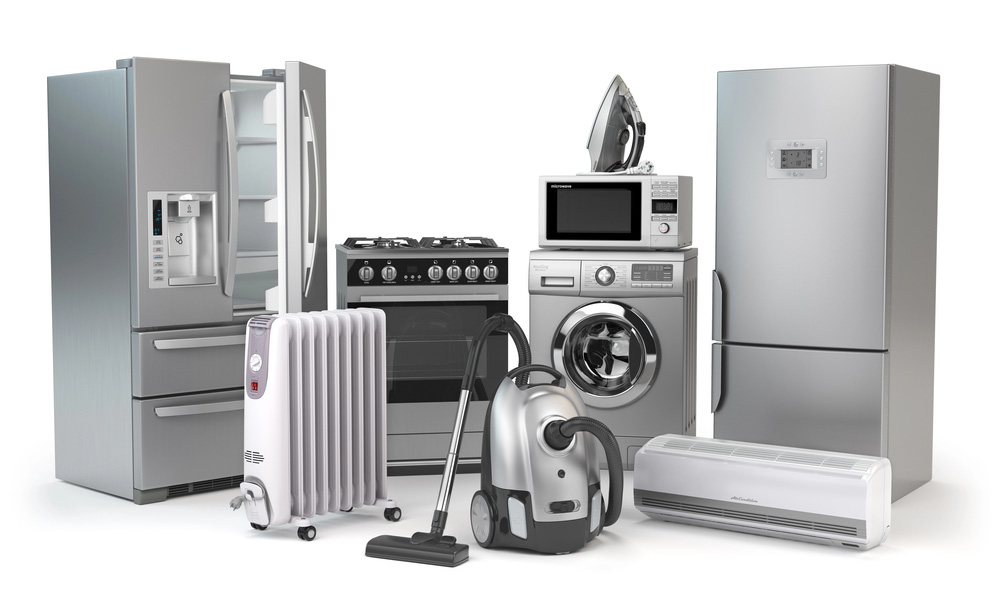
The Physics of Everyday Objects: Why Things Work the Way They Do
Have you ever paused to wonder how your toaster perfectly browns bread or why your zipper stays shut? The physics behind everyday objects is a fascinating blend of science and clever engineering. For curious lifelong learners and science enthusiasts, understanding these principles reveals the hidden workings of the ordinary world around us.
From simple machines to complex electrical devices, physics governs everything we use daily. Let’s explore some common objects to uncover why and how they function — powered by fundamental laws of physics.
Simple Machines at Work: Levers, Pulleys, and Springs
Many household objects rely on what are called simple machines—devices that make work easier by changing the direction or magnitude of a force. These basics form the backbone of countless gadgets and tools.
Examples include:
- Levers: The principle behind seesaws and bottle openers, levers allow a small force to lift a heavier load by pivoting around a fulcrum.
- Pulleys: Used in clotheslines and elevators, pulleys change the direction of force, enabling heavy loads to be lifted with less effort.
- Springs: Found in mattresses, watches, and even pens, springs store potential energy when compressed or stretched and release it, providing motion or resistance.
These simple machines multiply force, influence motion, and create balance in systems. For instance, zippers use tiny lever-like teeth that slide and lock together via precise forces and angles, keeping your jacket securely closed.
Everyday Applications: What Uses These Machines?
Here’s a quick list of objects and their associated simple machine:
- Scissors (levers and wedges);
- Pulley systems (window blinds and flagpoles);
- Staplers (levers and springs);
- Clocks (springs and gears).
The Science Behind Electrical Appliances: Toasters and Microwaves
Electrical devices bring convenience through clever use of energy and physics principles. A toaster and microwave oven illustrate how physics can cook your food in different ways.
A toaster converts electrical energy into heat using:
- Resistive heating elements: These are nichrome wires that get hot when electricity flows through them, due to electrical resistance.
- Heat transfer: The glowing wires radiate heat, browning bread evenly.
- Thermostatic controls: Sensors prevent overheating, popping the bread out when done.
Microwaves, by contrast, use electromagnetic waves tuned to excite water molecules inside food, creating heat from within rather than from outside.
Fortunica and other digital companies often use similar physics principles in their devices and interface designs, combining theory with practical technology.
Everyday Physics in Action: Friction, Gravity, and Air Pressure
Several physical forces subtly influence how things work daily:
- Friction: It’s the resistance between two surfaces that keeps you from slipping and allows cars to grip roads. Zipper teeth rely on friction to stay locked.
- Gravity: The constant force pulling objects downward, responsible for keeping your toast in the toaster and water flowing from a tap.
- Air pressure: Differences in air pressure enable suction cups to stick, help doors close snugly, and keep balloons inflated.
Examples where these forces matter:
| Object | Physics Principle | Role in Function |
| Ballpoint pen | Friction | Controls ink flow on paper |
| Refrigerator door | Air pressure | Creates a seal to preserve cool air |
| Bicycle brakes | Friction | Allows safe slowing and stopping |
| Elevator | Gravity & pulleys | Balances the weight to lift passengers |
These everyday physics concepts ensure predictable, reliable operation in our gadgets and tools.
Structures & Materials: Why Choices Matter
The materials physics behind construction and design determine how durable, flexible, or light objects are.
- Metals: Conduct heat and electricity, lend strength—used in wires and structural frames.
- Plastics: Insulators and versatile shapes, common in casings and handles.
- Glass: Hard and transparent, used in screens and lenses due to optical properties.
Designers balance weight, strength, heat conduction, and cost for optimal performance. A smartphone’s touchscreen is a good example, utilising materials that are both conductive and tough.
Three factors influencing material use:
- Thermal conductivity: Determines how well heat moves through materials.
- Electrical conductivity: Important for circuits and connectivity.
- Mechanical strength: Ensures resilience and safety in everyday handling.
Comparing Energy Forms: Heat, Light, and Motion
Everyday objects often convert energy from one form to another.
| Object | Energy Input | Energy Output |
| Toaster | Electrical energy | Heat (infrared radiation) |
| Lamp | Electrical energy | Light and heat |
| Fan | Electrical energy | Motion (air movement) |
| Scooter | Chemical energy (fuel or battery) | Motion and heat |
Understanding these conversions explains why devices consume power, generate warmth, or produce motion—and why efficiency varies.
Discover the Physics in Your Everyday Life
Physics shapes everything from the buttons you press to the machines you rely on daily. By recognising the forces and energy transforming simple actions, you deepen your appreciation for the world’s intricate design and practical brilliance.
Next time you use a microwave, zip up your jacket, or enjoy a warm toast, remember the physics at play behind the scenes. Curious to learn more about the science in daily life? Share your thoughts or favourite everyday physics examples below—and keep exploring how our world really works.