
Miranda Family Fund to Support Autistic Theatre Program
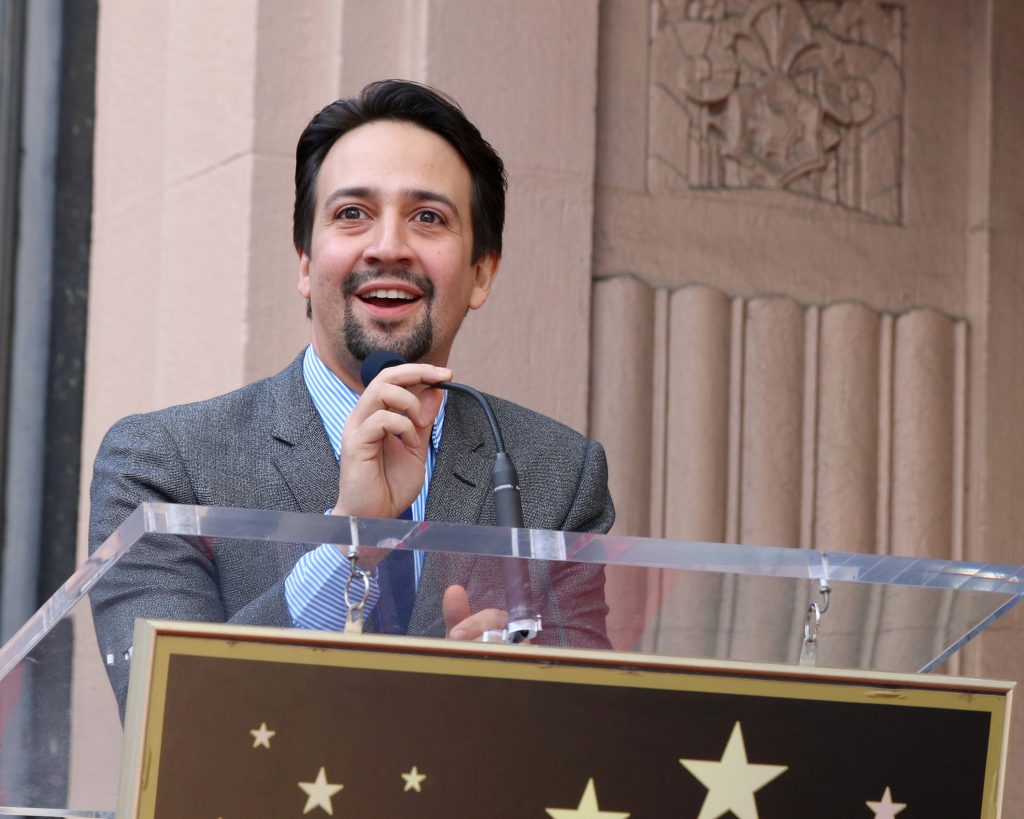
A new grant from the Miranda Family Fund, the donor-advised philanthropic arm associated with composer and creator Lin-Manuel Miranda, will help launch an improvisational theatre programme for autistic adolescents in Philadelphia, Pennsylvania. The funding will support broader public access to an evidence-based theatre initiative designed to build social confidence, strengthen connections and celebrate neurodiversity among young people on the autism spectrum.
The grant will enable the Socio-Dramatic Affective Relational Intervention (SDARI) programme to move beyond research settings and become available in community-facing environments throughout the Philadelphia region. SDARI was developed through the Social Connections & Treatment Lab at Drexel University’s A.J. Drexel Autism Institute, under the direction of clinical psychologist Dr Matthew Lerner.
SDARI uses improvisational theatre as a therapeutic and developmental tool, offering autistic teenagers a space where they can explore social engagement, express themselves creatively and build meaningful peer relationships in a supportive group environment. The approach has been refined over the past two decades and centres on principles of fun, acceptance and development of social-emotional confidence, all within a context that affirms neurodiversity and values individual differences.
Autistic teens and their families often seek programmes that can build social capacities while still allowing them to explore and flourish in their own identities, said Dr Lerner in a statement about the initiative.
He noted that the demand for SDARI in Philadelphia is strong and that the grant from the Miranda Family Fund will allow the team to expand the programme’s reach significantly. As a result, more autistic youth will have the opportunity to experience personal growth and form lasting friendships through theatrical collaboration.
Prior to receiving this grant, SDARI was primarily offered in research contexts. The funding ensures that families outside academic or clinical settings can now access the programme more easily, helping to bridge a gap in services for autistic adolescents at a critical stage of social development. The programme is structured to be inclusive and accessible, with trained facilitators guiding participants through improvisational exercises that cultivate social awareness, spontaneous communication skills and group interaction.
The Miranda Family Fund itself operates through the Hispanic Federation, a non-profit organisation focused on supporting Hispanic and broader communities through targeted philanthropic giving. Lin-Manuel Miranda, the award-winning composer, playwright and performer best known for hit musicals such as HAMILTON and IN THE HEIGHTS, is involved in guiding the fund’s mission to encourage creative and community-centred initiatives. The fund has backed a range of educational, cultural and social impact projects since its inception.
The SDARI programme’s expansion into a community offering reflects a growing trend in using arts-based methods to support the development of social and emotional skills among young people with autism. Theatre and improv, in particular, have been recognised for their potential to provide dynamic, interactive experiences that encourage participants to practice communication, empathy and collaboration in real time.
In recent years there have been other efforts in the performing arts world to create spaces that celebrate autistic voices and experiences. For example, the musical How to Dance in Ohio, which featured autistic characters and performers, has been widely recognised for its authentic representation and its focus on neurodivergent experience. That production has since become available for licensing by theatre groups internationally, broadening the potential for inclusion on stages beyond Broadway.
However, programmes like SDARI are distinctive because they directly combine evidence-based intervention with the creative medium of theatre, rather than simply presenting a theatrical work. By doing so, they aim to offer measurable benefits to participants in areas such as social confidence, expressive communication and peer engagement.
The initiative also comes at a time when there is increasing awareness of the needs of autistic adolescents. While early-intervention services for younger children have expanded in many regions, services tailored to teenagers are often less available, despite the importance of adolescence in shaping long-term social and emotional skills. SDARI’s community launch in Philadelphia seeks to address that gap by offering a structured yet creative environment for young people to explore social experiences on their own terms.
Families and caregivers interested in participating in SDARI or learning more about the programme’s public launch in the Philadelphia area are encouraged to contact the Drexel Autism Institute or the Social Connections & Treatment Lab for additional information. The programme’s expanded availability through this new grant is expected to make a meaningful difference for many autistic teens and their communities.