
Language, Accent, and Storytelling on the London Stage
Language sits at the heart of West End theatre. The district’s reputation for textual excellence is grounded in a long standing commitment to clarity, specificity, and respect for the written word. Accent and vocal delivery are treated not as decorative elements, but as integral components of storytelling.
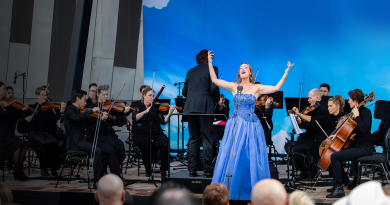
West End productions often place significant emphasis on vocal technique. Performers are trained to project clearly without amplification, maintaining intelligibility across varied acoustic environments. This discipline supports nuanced storytelling, allowing language to carry emotional and narrative weight.
Accent work further enriches performance. Rather than enforcing uniformity, West End theatre embraces linguistic diversity, using accent to locate character, class, and context. This approach reflects contemporary Britain while remaining rooted in theatrical tradition.
For international audiences, including Australians, this attention to language can be striking. Performances reward attentive listening, offering layers of meaning embedded in rhythm, phrasing, and silence. This reinforces theatre as an art form grounded in presence and engagement.
Australian theatre shares many of these values, particularly in text based performance. The West End’s continued emphasis on language affirms the enduring power of words onstage, even within a technologically advanced theatre landscape.
By centring language and accent as storytelling tools, West End theatre maintains a distinctive identity. It demonstrates that innovation need not abandon fundamentals, and that voice remains one of theatre’s most powerful instruments.
Photo Credit: DepositPhotos.com