From the Dressing Room to the Display Cabinet: Designing for Performance
Theatre has always been about more than what happens under the stage lights. Behind the curtain, a whole world of design choices shapes how smoothly a production runs. Dressing rooms, prop tables, and storage areas may not grab the spotlight, but they hold the rhythm together. A well-organised backstage area can steady a nervous performer or save a show from a missed cue.
The same principles apply outside the arts. In retail, design is also about flow, efficiency, and atmosphere. Just as a cluttered backstage can throw off a performance, a poorly arranged shop floor can weaken the customer experience. That’s where the expertise of groups like Revolution Retail comes in, building spaces that balance function with style so every detail supports the performance of the store.
The Backstage Blueprint
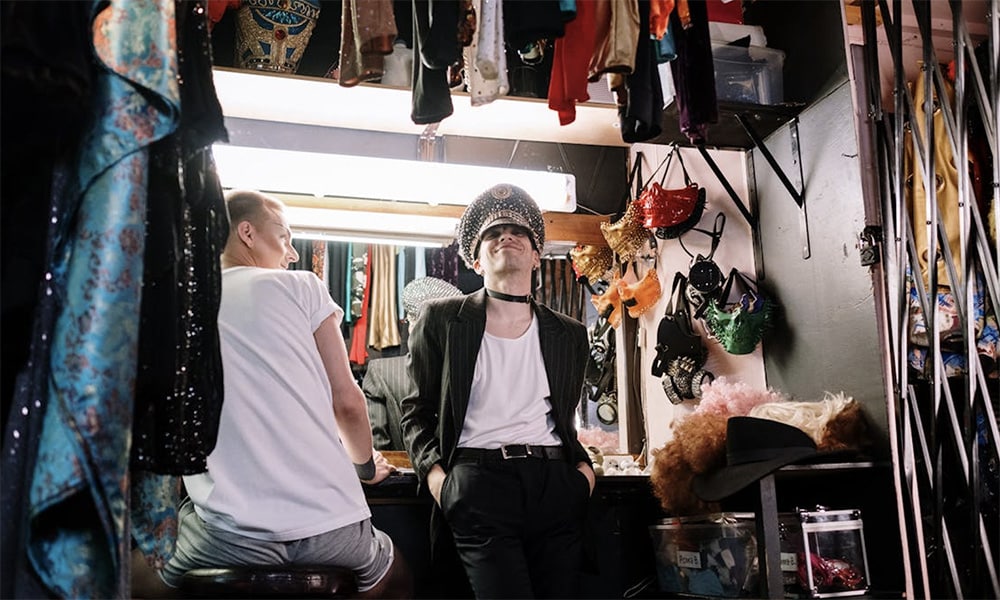
When you step into a theatre dressing room, you notice the practical details. Mirrors line the walls so performers can do last-minute checks. Racks of costumes are arranged in order of quick changes. Props sit neatly on tables, waiting to be picked up in the dark without hesitation. The design serves the performers, not the other way around.
Every element is chosen to support timing and reduce stress. A performer who knows exactly where to find their shoes will walk on stage with confidence. A stage manager who trusts that props are set correctly can focus on the bigger picture. This backstage efficiency doesn’t happen by accident. It comes from thoughtful planning, collaboration, and attention to the needs of the people using the space.
Retail’s Version of Backstage
Retail design mirrors this approach in surprising ways. Stores are not just about shelves and lighting. They are about the unseen flow that makes shopping feel effortless. Think of the stockroom as a kind of dressing room. Products need to be stored, labelled, and ready to move quickly when the display changes. Staff rely on clear organisation, just as performers rely on tidy prop tables.
Customers may never step into that stockroom, but they feel the impact. A well-designed back-of-house means shelves stay stocked, staff are less stressed, and the entire shop runs smoothly. In both theatre and retail, efficiency behind the scenes is what allows the “front of house” to shine.
The Power of Space and Mood
Design affects mood in ways that can be subtle yet powerful. In a theatre dressing room, soft lighting can ease nerves before a big scene. Space dividers can give performers privacy to focus. Even the colour of the walls can shift the energy of a room.
Similarly, in retail, lighting, layout, and atmosphere shape how a customer feels. A cramped display can feel overwhelming. A clear pathway can invite exploration. These are not superficial touches. They are decisions that shape behaviour, whether it’s a performer preparing for a role or a shopper deciding what to buy.
Efficiency as an Art Form
Both theatre and retail rely on precision. Quick costume changes backstage often come down to seconds. Every hook, drawer, and hanger has its purpose. When the system works, it feels seamless. When it doesn’t, the disruption is obvious.
Retail designers follow the same logic. A store buildout that places storage far from the sales floor may frustrate staff. An efficient design, on the other hand, makes stock rotations quick and easy. Companies like Revolution Retail specialise in fitting spaces that meet these demands on time and within budget, proving that efficiency can be an art in itself.
Storytelling Through Design
At the core of both worlds lies storytelling. A set design tells the audience where they are and what they should feel. A shop display does something similar. It conveys brand identity, values, and narrative through physical space.
When a customer walks into a store, they should feel immersed in a story. The choice of materials, the way products are arranged, and even the lighting cues guide them. It’s not so different from how set pieces and costumes transport audiences into another world. Design in both cases is a silent storyteller, whispering meaning through shapes and space.
Shared Lessons Between Stage and Store
What can theatre people learn from retail designers, and vice versa? Plenty.
- Adaptability matters. Quick changes in theatre are like seasonal displays in stores. Both require flexible systems.
- Flow drives success. Whether it’s audience members finding their seats or customers moving through aisles, design should encourage smooth movement.
- Atmosphere sets tone. Dressing rooms and display areas both benefit from lighting and colour choices that support the desired mood.
These lessons reveal that good design crosses industries. The goal is always to create harmony between function and experience.
Final Curtain Call
Theatre and retail might seem like separate worlds, but they share a deep reliance on design that works quietly in the background. Performers and shop staff alike thrive when their spaces are organised, practical, and inspiring. Customers and audiences may never see the planning that goes into it, but they feel the results in every moment.
By viewing dressing rooms and display cabinets as parts of the same story, we see how thoughtful design makes performance possible—whether the spotlight is on the stage or on the shop floor.