
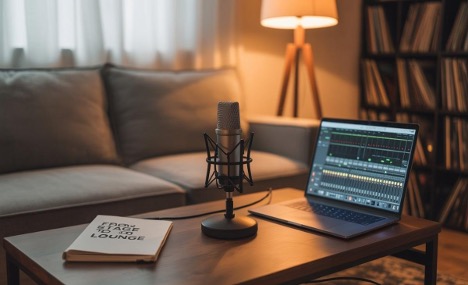
From Stage to Lounge: Sound-Design Tricks Theatre Fans Can Use at Home
When theatre lovers step into a performance space, they know the sensation isn’t just visual — it’s profoundly auditory. Dialogue seems to float clearly to every seat, orchestral swells support the drama, and silence itself becomes a design choice. Translating that experience into a living room may seem impossible. Yet by borrowing a few principles from theatre sound design, audiences can improve how they listen at home without investing in a full renovation.
Below are some ways theatre-based sound thinking can guide a home setup, focusing on clarity, space, and accessibility.
Theatre vs. Film Mixes: Understanding the Differences
Theatre mixes and film mixes are crafted with different priorities. In theatre, the spoken word reigns supreme. Designers carefully balance microphones, foldback monitors, and EQ so every line reaches the audience clearly (Australian theatre sound designers and composers – ABC News).
In contrast, film mixes often emphasise spectacle — wide dynamic range, sudden effects, and immersive surround panning. For theatregoers who want to carry that stage-centric clarity home, the lesson is to treat dialogue as sacred. Every choice in a listening setup should ask: can the voice be understood first, before ambience and underscore?
Seating and Speaker Geometry: Borrowing Theatre’s Precision
In theatres, designers spend weeks aligning loudspeakers for even coverage. Each cluster and delay ring is measured to ensure consistent tonal balance and timing. While domestic rooms are smaller, the principle applies: geometry matters.
At home, consider the distance between seating and the centre speaker. If the dialogue seems muffled or off-axis, it often isn’t the speaker’s quality but its placement. Angle it directly toward ear height, just as line arrays in auditoria are aimed at seating banks. Even slight adjustments can produce noticeable improvements.
Dynamic Range: Managing Loud and Soft Passages
One hallmark of live performance is contrast — moments of hushed intimacy followed by explosive crescendos. This dynamic range creates emotional impact in the theatre but can become problematic at home, especially in smaller spaces where neighbours or housemates share walls.
Many home systems include “night mode” or dynamic range compression, designed to soften extremes. While purists may hesitate, theatre fans should view this as akin to an operator riding faders for balance during a matinee. It’s not a compromise but a practical adaptation, making every line audible without the need to constantly adjust volume.
Small-Room Acoustic Fixes: Echoes and Absorption
Theatres are deliberately designed with acoustics in mind. Materials, curtains, reflectors, and diffusers all shape the sound. In fact, Australian theatre practitioners actively explore how design choices shape emotion in performance (Melbourne Theatre Company – Communicating emotion through sound).
Simple fixes echo stagecraft: soft furnishings absorb excess brightness, bookshelves create diffusion, and thick curtains reduce flutter echoes. Even rugs can dampen excessive reflections from hard floors. While the home cannot replicate the sophistication of a tuned auditorium, adopting these principles restores speech clarity and improves overall listening comfort.
Centre-Channel and Dialogue Intelligibility
Ask any theatre sound designer: intelligibility is everything. The centre channel in a surround setup carries the spoken word, much like the front-of-house array in a playhouse.
To sharpen clarity, ensure the centre speaker is not buried in cabinetry or blocked by screens. Experiment with placement, and if needed, adjust levels independently of left and right speakers. Dialogue lift is not cheating — it’s standard theatre practice to reinforce voices slightly above accompanying sound.
For enthusiasts looking to go further, some practical home theatre setup tips can ensure the centre channel behaves like the proscenium system it is meant to emulate. Think of it as a conductor’s baton: subtle, but guiding the performance.
Quick Calibration Wins: Borrowing the Designer’s Ear
In a theatre, sound engineers tune systems with reference microphones and pink noise, walking the space and making small adjustments. While few households own professional analysers, most modern receivers include auto-calibration tools. Running these tests may feel mundane, but it parallels the calibration rituals of professional tech crews.
Theatre fans should also trust their own ears. Play familiar dialogue-heavy material and listen critically from each seat. Small tweaks to levels or EQ can restore balance more effectively than chasing hardware upgrades.
Accessibility and Hearing: Making Sound Inclusive
Live theatre increasingly considers accessibility, with captioning, hearing loops and assistive devices. At home, inclusivity matters too. Viewers with hearing challenges often struggle with television mixes. Many systems offer dialogue enhancement modes, boosting vocal frequencies around 2–6 kHz where speech intelligibility resides.
This mirrors the adjustments sound designers make when EQ-ing actors’ microphones. It ensures not only that every line is heard but that the art of performance remains available to everyone. Accessibility is not an afterthought — it’s a direct extension of theatre’s ethos of storytelling for all.
Bridging Stage and Lounge
Theatre teaches us that sound is narrative, not just technology. By applying lessons from reinforcement design, seating geometry, acoustic treatment, and inclusive practice, the home listening space can echo the principles of a playhouse. The result is not a cinema imitation but a domestic environment tuned for clarity, presence, and immersion in story.
For theatregoers, this approach transforms the home from a simple entertainment venue into a space where voices carry, music breathes, and every sound cue has meaning.