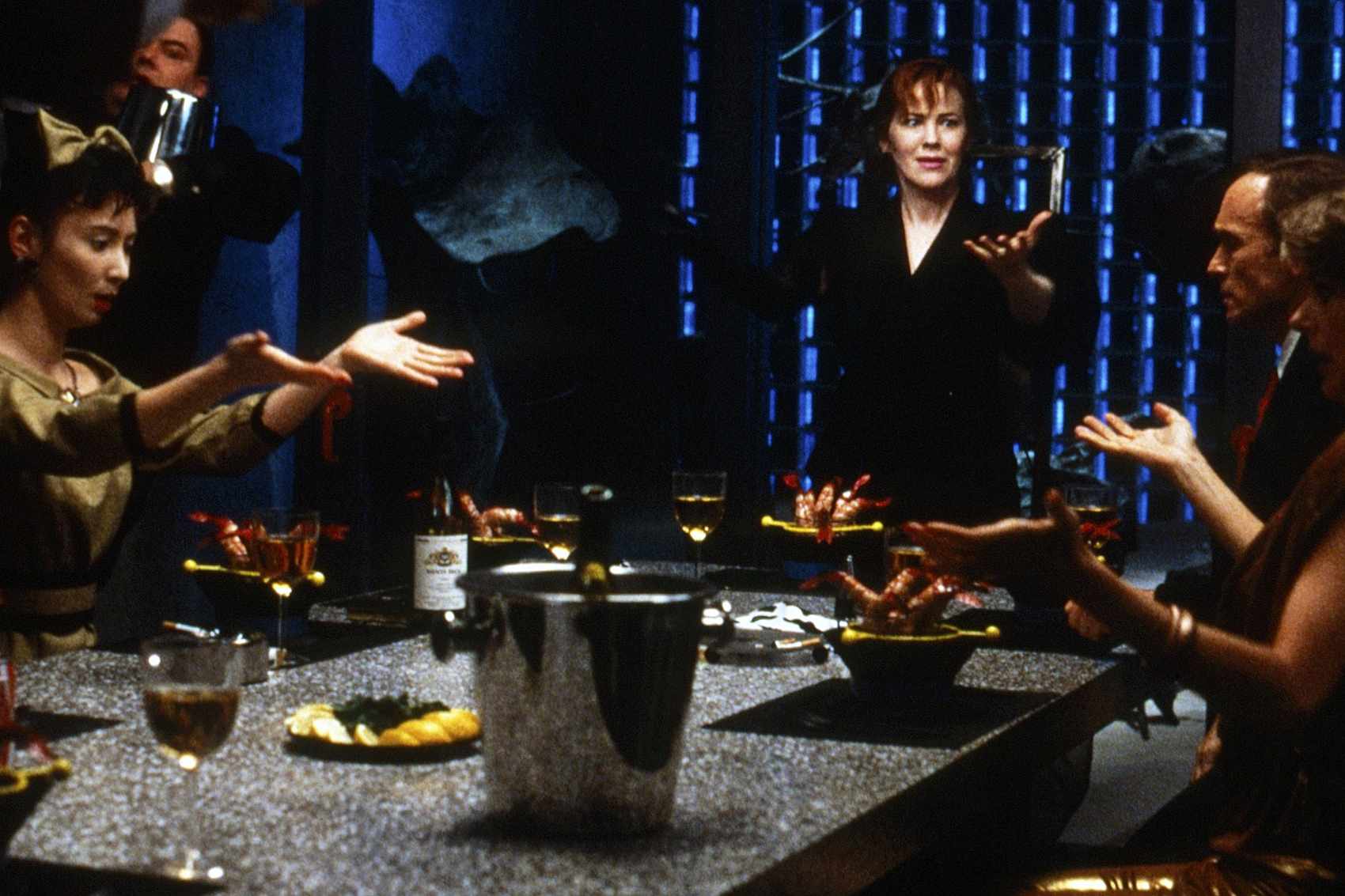
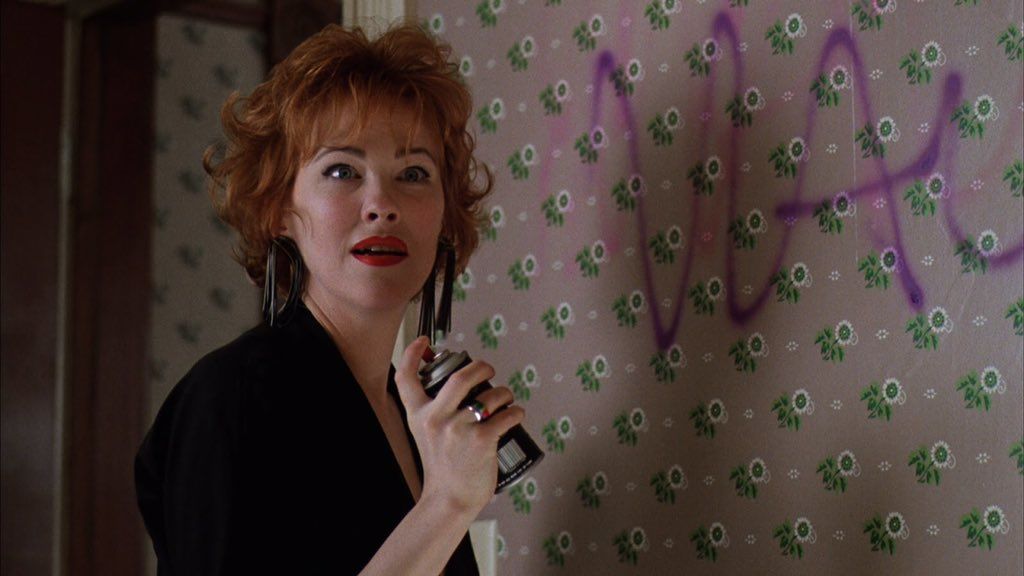
One of the most iconic scenes in Beetlejuice belongs to Delia Deetz and Harry Belafonte’s “Day-O (Banana Boat Song).” O’Hara does not sing, but her physical precision sells the moment. Every gesture locks to the beat, her expression rides the groove, and the commitment elevates the gag into a masterclass in musical comedy without a single lyric delivered by her voice.
A Jazzy Entrance on Saturday Night Live
Rather than a standard monologue for her first Saturday Night Live appearance, O’Hara opted for an improvised song built from a book title. Backed by the house band and singers, she scat-sang her way through the bit with mock bravado and genuine vocal control. The joke landed because the talent was real. She could swing when she wanted to.
The Haunting Heart of The Nightmare Before Christmas
Christopher Guest’s Musical Playground
O’Hara’s collaborations with Christopher Guest offered repeated chances to merge character comedy with song.
In Waiting for Guffman, she joined the mock musical chaos with standout turns including a hilariously earnest “Midnight at the Oasis” alongside Fred Willard. The film’s ensemble numbers leaned on her ability to sing badly on purpose while still sounding good enough to believe the character’s delusion.
Best in Show shifted the spotlight to Cookie Fleck, whose unlikely rise to fame includes novelty tunes like “Terrier Style.” It is broad, silly, and entirely confident, a reminder that O’Hara could parody musical ambition while celebrating it.
In A Mighty Wind, the joke softened into sincerity. Reuniting as folk duo Mitch and Mickey, O’Hara and Levy performed “You Next to Me” with such warmth that the mockumentary frame briefly disappeared. The song works because the emotion is real, and because O’Hara understood restraint as well as excess.
Moira Rose and the Joy of the Jazzagals
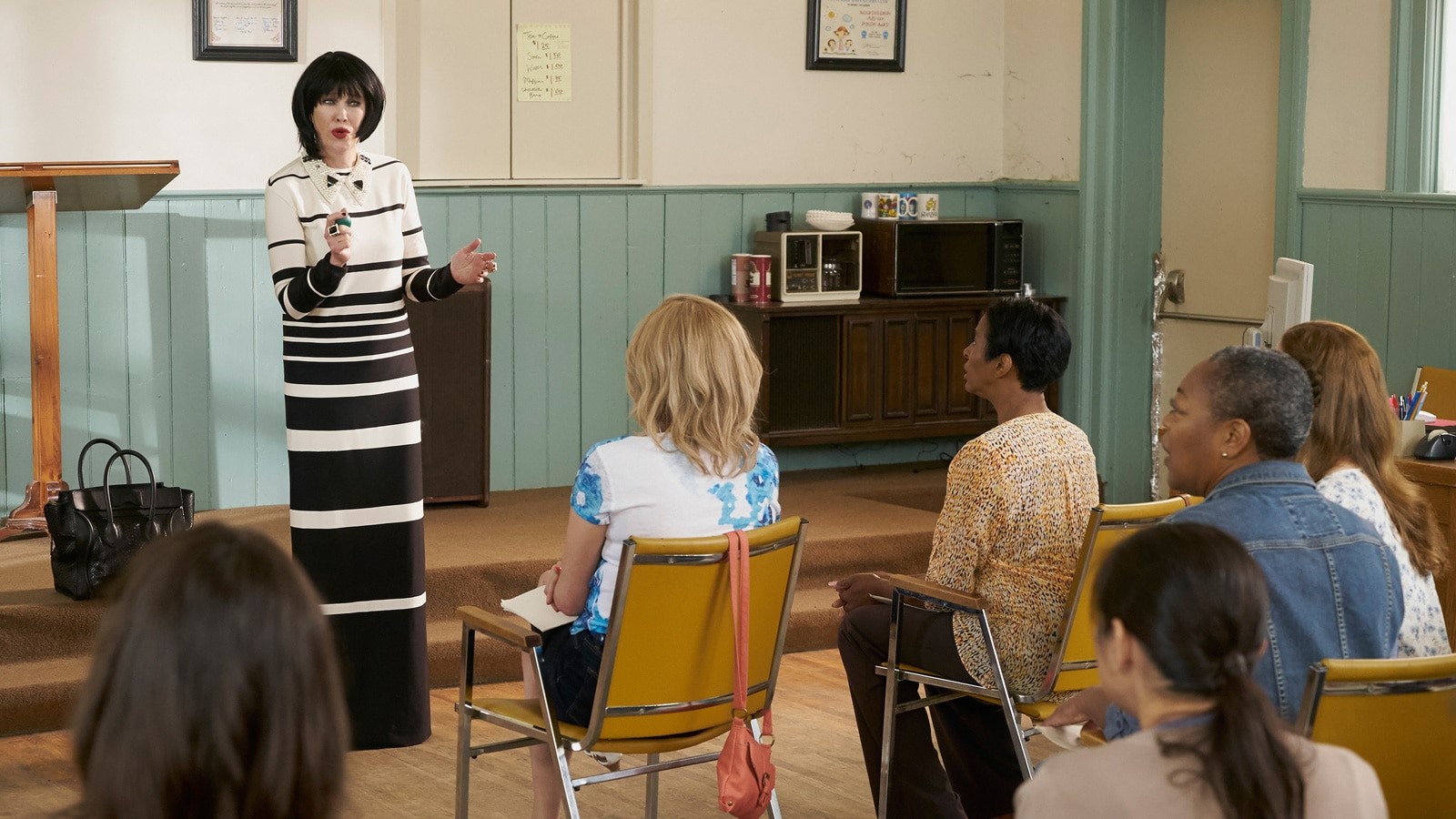
Late in her career, O’Hara gave the world Moira Rose on Schitt’s Creek, a role that became a cultural phenomenon. Music was central to Moira’s grandiosity and vulnerability, especially through her participation in the town’s women’s choir, the Jazzagals. Performances like “Baby, I’m Yours” and “Silent Night” were played straight, then heightened by Moira’s theatrical intensity. It was funny, moving, and unmistakably O’Hara.
A Legacy Sung as Much as Spoken
Catherine O’Hara’s musical moments trace a career built on curiosity and courage. She sang when it served the character, danced when it sold the joke, and never treated music as an add-on. In comedy and beyond, she trusted that melody could carry meaning. As audiences revisit these performances, the laughter remains, but so does the music, clear, generous, and unforgettable.
Photo Credit: DepositPhotos.com