
Black Theatre Nights and the Quiet Revolution on Broadway
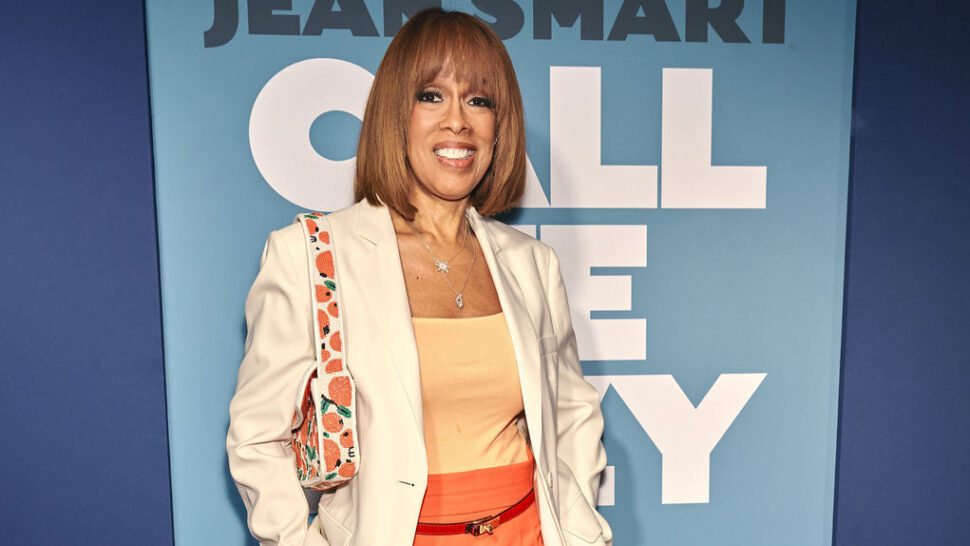
When GYPSY opened on Broadway this year with Audra McDonald stepping into the role of Rose, it was destined to be a cultural event. But it was not just the casting that sparked conversation. On 26 September, a new layer of history will be written when Gayle King hosts a Black Theatre Night at the production. The event, intended to centre Black audiences and uplift Black artistry in mainstream theatre, is part of a broader movement that’s transforming the Broadway experience in subtle but powerful ways.
The idea of “Black Theatre Nights” is not new, but their increasing presence on the commercial stage signals a shift in how producers and creatives are reimagining access and inclusion. Beyond optics and one-night marketing pushes, these events reveal a deeper story about ownership, visibility and joy within spaces that have long felt exclusive. And perhaps most importantly, they pose a quiet challenge to the status quo.
The Room Where It Happens
Theatre has always claimed to be universal, but in practice, its spaces have not always been welcoming to all. In Broadway’s gilded theatres, where orchestra seats can top $300, many Black audience members have described feeling like outsiders in rooms shaped for white comfort. “You’re often made to feel like a guest in someone else’s house,” says Brandon Smith, a New York-based dramaturg and frequent theatre-goer. “It’s not just about what’s on stage. It’s about who’s sitting next to you, the looks you get in the foyer, the presumption that you’re not supposed to be there.”
Black Theatre Nights seek to flip that dynamic. By carving out performances designed to welcome Black audiences, these events foster a sense of belonging and celebration. Attendees know they will be surrounded by community, not scrutiny. The atmosphere is electric, filled with laughter, knowing nods and vocal reactions that echo the traditions of Black church and cinema-going culture. It becomes a cultural reclamation as much as a night at the theatre.
These events also change the actors’ experience. “It hits different when you know your people are out there,” said Nichelle Lewis, who played Dorothy in THE WIZ revival, during a talkback following the show’s Black Theatre Night. “The energy feeds you. You’re not just performing for an audience. You’re in communion.”
From Niche to Necessary
At first glance, Black Theatre Nights might appear as niche programming, aimed at boosting ticket sales on quieter nights. But dig deeper and you’ll find they are reshaping how theatre producers think about engagement. Productions like A STRANGE LOOP, FELA!, and FAT HAM all cultivated devoted followings through targeted community nights, and shows with predominantly Black or diverse casts are now incorporating these events into their marketing from the outset.
Critically, this is not a matter of exclusion. White audience members are not barred from attending. Rather, the nights operate as cultural safe spaces where Black presence is centred and celebrated without explanation or compromise. For many Black patrons, it is a rare chance to laugh, cry and respond in a space that affirms their lived experiences without code-switching or self-censoring.
Producers are starting to take note of the long-term value. “It’s not just about selling tickets for one night,” explains Tasha Freeman, an associate producer on GYPSY. “It’s about building relationships. These audiences come back. They tell friends. They post online. They create momentum that lasts beyond the curtain call.”
Joy as Resistance
In the current cultural climate, where equity initiatives are under increased scrutiny and backlash, the quiet power of joy becomes a form of resistance. Black Theatre Nights are not protests, but they are political in the purest sense of the word. They declare that Black stories and Black presence belong in every corner of the theatrical experience, not just on stage but in the audience, in the programmes, and in the applause.
The symbolism of hosting such an event during GYPSY, often considered the ultimate “golden age” musical, is striking. The show’s original 1959 production epitomised a time when Broadway was definitively white, both in story and audience. Now, with Audra McDonald, a six-time Tony Award winner and an icon of American theatre, leading the show, and Gayle King hosting a night that centres Blackness, it feels like a reclaiming of legacy.
Yet the risk remains that such nights are seen as add-ons, rather than integrated parts of a production’s ethos. Critics argue that for these events to have lasting impact, they must be accompanied by structural changes in casting, creative teams and leadership. Without those shifts, the danger is that Black Theatre Nights become performative rather than transformative.
Looking Ahead
Still, the momentum is real. Black Theatre Nights are not isolated gestures, but part of a wider rethinking of who theatre is for and how it is experienced. As Broadway seeks to recover from the twin blows of the pandemic and industry reckoning, these community-driven events offer a path forward grounded in authenticity and connection.
They also open the door for similar initiatives beyond race. We have seen Deaf Theatre Nights, LGBTQ+ focused performances, relaxed performances for neurodivergent audiences, and more. Each speaks to a growing recognition that access is not just about ramps or surtitles, but about creating spaces where audiences feel seen and celebrated.
As Gayle King prepares to host the GYPSY Black Theatre Night this September, she joins a lineage of cultural figures who understand the power of presence. This is not just about a famous face supporting a show. It is about shaping an event where the energy in the room tells Black theatregoers, “This is your house too.”
And in that atmosphere, the magic of theatre can be shared by all. Not just in performance, but in the people watching. Not just in the story told on stage, but in the joy that rises from the crowd during Everything’s Coming Up Roses. When inclusion is felt, not just advertised, the theatre becomes what it was always meant to be. Alive, expansive and for everyone.