
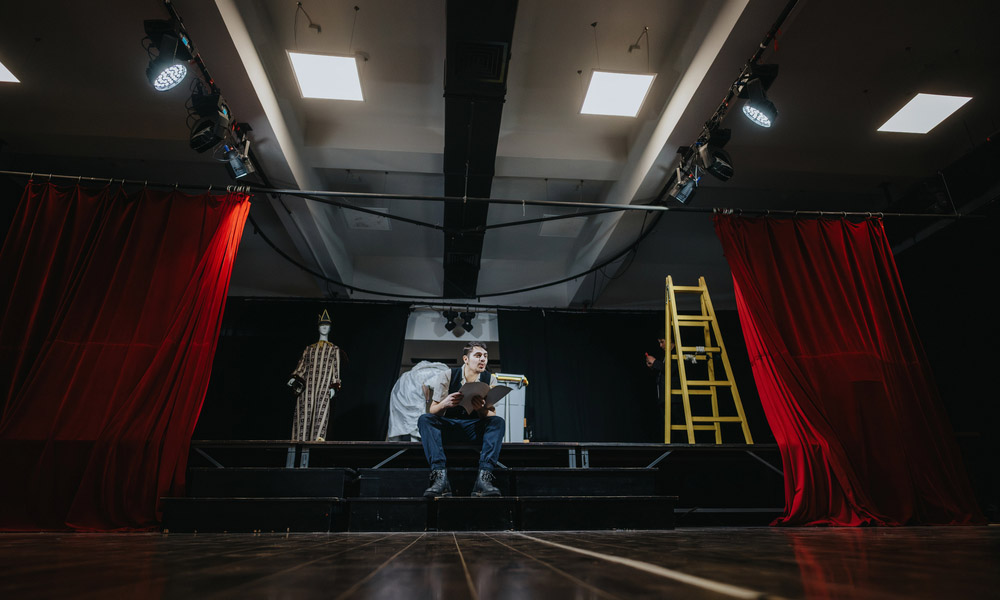
Australian performing arts schools weigh digital tools against traditional training
Theatre education in Australia sits at a genuine crossroads. Conservatories and universities are grappling with questions that have no easy answers: does an online platform deliver the same formative experience as a live studio class? Can emerging performers build professional instincts through a screen? These tensions are reshaping how institutions recruit, teach, and assess the next generation of artists.
The debate is not simply about technology for technology’s sake. It reflects deeper questions about access, equity, and what performing arts training is fundamentally for. Students in regional areas face real barriers to attending metropolitan conservatories, and digital tools have opened doors that once seemed permanently closed.
How performers manage finances between paid gigs
Financial pressures shape training choices as much as pedagogy does. Early-career performers routinely work across multiple part-time roles, and the gaps between paid engagements can be long. Digital entertainment has become one space where performers explore flexible income streams, and the broader shift toward online platforms has made financial literacy an increasingly relevant topic in arts career conversations.
Platforms that promise quick, accessible transactions attract attention from people managing irregular income — and best fast payout casinos represent one example of how Australians more broadly are prioritising seamless digital financial experiences. For arts institutions, the practical implication is straightforward: students need strong financial awareness built into career development curricula.
Online platforms reshaping conservatory enrolment decisions
Universities across Australia have moved decisively toward hybrid models since the disruptions of recent years. Queensland University of Technology, for instance, provides first-year creative industries students with hybrid e-learningcombining text, audio, and video accessible across multiple devices, sitting alongside face-to-face lectures and tutorials. This approach reflects a sector-wide rethink of what campus attendance must deliver.
Enrolment decisions increasingly hinge on flexibility. Prospective students weigh the appeal of synchronous, in-person training against the practicality of studying remotely, particularly when early-career finances are tight. Institutions that fail to offer credible digital options risk losing students to those that do.
Where digital convenience meets live performance demands
The core tension surfaces in physical disciplines — dance, movement, and voice work — where translation to online delivery remains genuinely difficult. Virtual collaborations between dance programmes and conservatories via video exchange have reduced travel costs and broadened exposure, but replicating hands-on correction and ensemble energy online demands significant extra faculty time and creative workarounds.
A major sector report from Creative Australia identifies digital technology as presenting both significant opportunities and real threats to the performing arts, arguing that scenario planning and cross-sector collaboration are essential for navigating what comes next. The report’s framing — neither panic nor complacency — captures the mood across most Australian institutions right now.
What institutions are prioritising in 2025 curricula
The curriculum conversation has shifted from whether to integrate digital tools toward how deeply and in what form. Research tracking Australian primary school arts delivery during remote learning periods found that music and visual arts dominated online curricula, with dance and drama lagging behind — a pattern that prompted reflection across all education levels about how performing arts specifically can be taught at a distance. The findings reinforced that not all art forms digitalise equally.
Tertiary institutions have responded by designing curricula that treat digital competency as a professional skill rather than a supplementary convenience. The educator’s role is evolving from delivering knowledge in a traditional lecture format toward facilitating networked, collaborative learning — a shift that requires retraining staff as much as redesigning courses. The performing arts schools navigating this most effectively are those treating digital tools as one strand within a rich, embodied training environment, not as a replacement for it.