
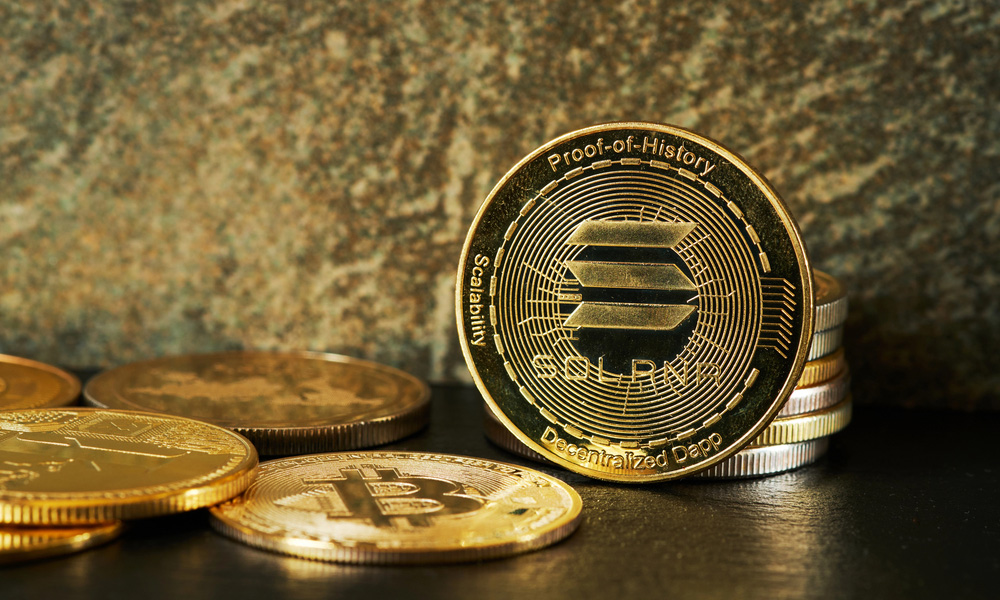
Acquiring Solana in 2025: Buying, Earning, and Securing Your SOL
Solana has had quite the journey, but here we are in 2025 and it’s still one of the crypto projects that actually delivers. The ecosystem keeps growing, the tech keeps improving, and frankly, there’s somehow still plenty of opportunity for those looking to get Solana into their portfolio.
This guide covers everything you need to know about acquiring SOL in 2025, whether you’re buying your first tokens or looking to expand your holdings through staking and other methods. We’ll walk through the practical stuff – which exchanges actually work, how to secure your assets properly, and even how to potentially earn more SOL along the way.
What Makes SOL a Top Choice in 2025?
There’s a reason Solana keeps coming up in conversations about blockchains actually worth your time. The speed thing isn’t just marketing hype – we’re talking thousands of transactions per second while Ethereum is still… Well, you know how it is. And the fees? Usually fractions of a penny, which honestly makes using the network feel normal instead of like you’re paying rent every time you breathe in its direction.
The ecosystem has gotten pretty robust too, even after all the ups and downs. DeFi platforms like Jupiter and Raydium are processing serious volume, NFT projects are still active (though admittedly way less crazy than before), and the gaming side keeps building momentum. The DePIN projects like Helium moving over have added a whole infrastructure layer that’s solving real problems.
What’s got people particularly excited lately is Firedancer – it’s supposed to basically double the network’s capacity when it rolls out. Plus with the doubled block space already implemented, the technical foundation keeps getting stronger. Projects like Bonk and Dogwifhat might grab headlines for their meme status, but underneath all that noise, you’ve got institutional players quietly building serious infrastructure on Solana. The sustainability angle doesn’t hurt either, especially when the talk about crypto’s environmental impact hasn’t really died out.
Your Gateway to SOL: Direct Purchase Methods for 2025
Buying SOL on Regulated Exchanges
If you’re new to this whole thing, centralized exchanges are probably where you’ll want to start. Binance, Coinbase, Kraken are the names everyone knows for a reason. The process is pretty straightforward: sign up, go through the KYC ( upload your ID and prove you’re a real person), then fund your account however works best for you.
Here’s where it gets interesting though: the fees can vary quite a bit between platforms. Coinbase is super user-friendly, but you’ll pay for that convenience. Binance tends to be more competitive on rates, especially if you’re doing larger amounts. Once you’ve got funds loaded, buying SOL is just a matter of finding the right trading pair (SOL/USD is usually your best bet) and placing your order. Market orders are instant but you pay whatever the current price is; limit orders let you set your price but might not fill immediately, and fees also vary between the two.
The real benefit here is that these exchanges have serious liquidity – meaning you can buy or sell without worrying about moving the price too much. Security is generally solid too, though you’re trusting them to hold your coins until you move them to your own wallet. And honestly, that KYC requirement isn’t necessarily bad – it means these places are playing by the rules, which matters more in 2025 than it did a few years ago when everything was in a more gray area.
Instant Swaps and DEXs: SOL Without Intermediaries
Now, if you’ve already got some crypto and want to avoid the whole centralized exchange thing, DEXs are where it gets interesting. Raydium and Orca are built right on Solana, so you’re basically using the network to buy into itself – which is pretty cool when you think about it. You’ll need a wallet like Phantom first, and some existing crypto to swap with.
The process is different but not complicated once you get the hang of it. Connect your wallet, pick your trading pair (USDC to SOL works well), and let the smart contracts handle the rest. Just watch out for slippage on smaller pools – sometimes the price moves while your transaction is processing, especially if you’re doing a bigger trade. The fees are usually tiny though, which is one of Solana’s strong points.
There are also these instant swap services like ChangeNOW, ChangeHero, or Changelly that sit somewhere in the middle. They’re not technically DEXs, but they let you trade crypto for SOL without creating an account anywhere. Oh, and they also integrate on-ramps, too, so you can skip the CEX and start right there.
How to buy Solana on ChangeHero, for instance? Jump right into the process from the home page, and the subsequent screens will take you through it — very user-friendly. The fees might be a bit higher, but if you value privacy and simplicity, they’re worth considering. Just make sure you’re comfortable with the rates before you commit – some of these services can be pricier than they first appear.
P2P Solana Transactions
P2P (peer-to-peer) trading is probably the most flexible option, but it’s also where you need to be most careful. Platforms like LocalCryptos let you buy directly from other people, which means you can often use payment methods that exchanges don’t support – PayPal, bank transfers, sometimes even cash if you’re meeting in person.
The key thing here is making sure you’re using a platform with proper escrow services. You don’t want to send someone money and hope they send you SOL back – that’s not trading, that’s gambling. Good P2P platforms hold the crypto until both sides confirm the trade went through. Always check the seller’s history and ratings before you commit to anything, and don’t fall for unrealistic deals.
Grow Your SOL Portfolio Through Staking & DeFi
Staking Your SOL
Staking is probably the most straightforward way to make your SOL work for you, though “passive income” might be overselling it a bit – there’s still some decision-making involved. Basically, you’re locking up your SOL to “help validators process transactions”, and in return, you get a cut of their rewards. We’re talking around 5-8% annually, which isn’t going to make you rich overnight, but it’s something.
The easiest route is through your wallet: Phantom and Solflare both have staking built in, or you can just do it through an exchange like Binance if you don’t want to deal excessively with managing allocations yourself. If you go the wallet route though, you’ll need to pick a validator, and this is where it gets a bit more involved than people realize. You want someone with good uptime (check their track record), reasonable commission rates (usually 5-10%), and ideally someone who’s not already controlling too much of the network! However tempting their conditions may look.
Resources like Solana Beach can help you compare validators, but honestly, most of the bigger names are pretty reliable. The risks aren’t huge, but they’re worth knowing about – if your validator goes offline or messes up, you might face slashing (losing some of your stake). There’s also the unbonding period when you want to unstake, which can take a few days. Liquid staking tokens like mSOL or JitoSOL let you stake while keeping some flexibility, though they add another layer of complexity and potential risk.
DeFi Opportunities: Lending, Borrowing, and Liquidity Provision for SOL
If staking feels too tame, Solana’s DeFi scene offers some interesting alternatives, though with higher returns comes higher risk – that’s just how it works. Lending protocols like Solend and Kamino Finance let you deposit your SOL and earn interest from people who want to borrow it. The rates can be better than staking, sometimes 4-10% depending on demand, but they fluctuate more.
You can also flip it around and use other assets as collateral to borrow SOL, which opens up some leveraged strategies if you’re feeling confident about SOL’s direction. Just remember that leverage cuts both ways – you can amplify gains but also losses, and if your collateral drops too much, you might get liquidated.
Liquidity provision is where things get more interesting but also more complicated. You add SOL and another asset (usually USDC) to a trading pool on DEXs like Raydium or Orca, and earn fees from trades that happen in that pool. The fees aren’t huge per trade – maybe 0.25-1% – but they can add up if the pool sees decent volume. The catch is impermanent loss, which is this annoying thing where price changes between your two assets can eat into your returns even when both go up.
Yield farming takes this further by letting you stake your liquidity pool tokens in other protocols for additional rewards. It’s like stacking yields on top of yields, which sounds great until you realize you’re also stacking risks. Smart contract bugs, protocol failures, sudden rule changes: there’s a lot that can go wrong when you’re deep in the DeFi rabbit hole.
The key with DeFi is starting small and sticking to the more established platforms. Don’t chase the highest yields without understanding why they’re so high – usually there’s a reason, and it’s not always a good one.
Earning SOL in Solana’s Creative Ecosystem
There are some more creative ways to earn SOL, though they’re less predictable than the financial stuff. Play-to-earn games like Star Atlas or Aurory let you earn SOL or tradable NFTs for playing, but honestly, most of these require either significant time investment or upfront costs that make them feel more like work than passive income.
The NFT scene on platforms like Magic Eden is still active, and you can mint or trade NFTs that might sell for SOL, but that’s more speculation than reliable earning. These methods tap into Solana’s growing creative ecosystem, which is genuinely interesting, but they’re probably not going to be your main strategy for accumulating SOL even if you’re seriously into gaming or digital art.
Protecting Your Investment in 2025
Hot Wallets
Hot wallets like Phantom and Solflare are basically the checking accounts of the crypto world – convenient for daily use, but you wouldn’t keep your life savings in one. Phantom’s browser extension is pretty slick for interacting with Solana dApps, and Solflare’s mobile app makes it easy to check your balance or stake on the go. The interface design on both has gotten much better over the years, which honestly makes a bigger difference than you’d think.
The problem is that convenience comes with trade-offs. Since these wallets are always connected to the internet, they’re exposed to all the usual online threats. Phishing attempts are probably the biggest risk – fake websites that look exactly like the real thing, trying to trick you into entering your seed phrase. I’ve seen people lose everything because they clicked the wrong Google ad result.
Your best defense is paranoia, honestly. Use strong, unique passwords, turn on 2FA wherever possible, and double-check URLs every single time. Only keep what you’re actively trading or using in hot wallets – think of it like carrying cash in your physical wallet. You want enough to be useful, but not so much that losing it would ruin your week.
Hardware Wallets for SOL
If you’re holding any meaningful amount of SOL, hardware wallets are where it’s at. Ledger and Trezor are the big names, and for good reason – they keep your private keys completely offline, which means even if your computer gets compromised, your crypto stays safe. The setup process isn’t as scary as it used to be either; both Ledger Live and Trezor Suite walk you through everything pretty clearly.
The real magic happens with that 24-word seed phrase though. That little piece of paper is basically your crypto’s master key, so treat it like one. Don’t take a photo of it, don’t save it in a notes app, don’t get creative with storage solutions. Write it down on paper, maybe make a backup copy, and put both somewhere secure and fireproof if possible. I know people who’ve lost access to thousands of dollars because they thought they’d remember where they put their seed phrase.
When you’re buying hardware wallets, stick to the official websites or authorized retailers. The second-hand market is full of compromised devices, and that’s not a risk worth taking to save fifty bucks. Keep the firmware updated too – these companies regularly patch security issues, and you want those fixes. Yes, it’s more work than just leaving everything on an exchange, but when you’re talking about serious money, the peace of mind is worth it.
Paper Wallets for Extreme Security
Paper wallets are a double-edged sword of crypto storage – theoretically very secure, but practically a pain in the ass for most people. The idea is simple: you print your private and public keys on paper and store them offline, which means they’re completely immune to digital attacks.
But here’s the very obvious thing – paper has its own vulnerabilities. Fire, water damage, ink fading, or just plainly losing the thing. Plus, if you ever want to actually use your SOL, you have to manually enter those long strings of characters, which creates opportunities for mistakes. Unless you’re planning to hold for years without touching it, and you’re really committed to secure physical storage, paper wallets probably aren’t worth the hassle for most people.
Future-Proofing the SOL Acquisition
Solana and Global Crypto Regulations
The regulatory situation in 2025 is… interesting, to put it diplomatically. Things have definitely gotten more structured compared to the wild west days, but that comes with its own complications. KYC and AML requirements are basically standard everywhere now – you’re not getting around identity verification on any legitimate exchange, which honestly isn’t necessarily a bad thing even if it feels invasive.
Where it gets tricky is that different countries are still figuring out their approach. Some places tax crypto gains like regular investments, others treat it more like currency, and a few are still trying to ban it outright (good luck with that). The US political situation has actually been pretty favorable for crypto lately, and there’s been a lot of talk about a spot Solana ETF getting approved – Polymarket was showing 83% odds for approval by June 2025, though those prediction markets can be pretty volatile themselves.
Preparing for Price Swings: Managing Risk When Acquiring SOL
Let’s be real about volatility – crypto markets can be absolutely brutal, and Solana is no exception. SOL could swing 30% in a day more times than you can count, and that kind of movement can either make your week or ruin it depending on which side you’re on. The standard advice applies here, but it’s worth repeating: only put in what you can genuinely afford to lose.
Dollar-cost averaging is probably your best friend if you’re planning to build a position over time. Instead of trying to time the market (which, let’s face it, none of us are that good at), you just buy a fixed amount regularly regardless of price. It’s boring, but it works better than most people’s attempts at being clever about timing. You’ll still catch some of the ups and downs, but you won’t get completely wrecked by buying everything at the peak.
Diversification matters too, even within crypto. SOL might be your favorite, but putting everything into one asset is basically gambling, not investing. The crypto space is still young enough that even solid projects can face unexpected challenges – technical issues, regulatory pressure, or just market sentiment shifting. Having some exposure to other assets gives you options if things go sideways.
Mind the Costs
One thing that’s easy to overlook when you’re focused on price movements is how much you’re actually paying in fees. Trading fees on exchanges typically run 0.1-2%, which doesn’t sound like much until you realize it’s coming off both ends of every trade. Withdrawal fees can be another nasty surprise – some exchanges charge flat rates that really hurt if you’re moving smaller amounts.
The good news is that Solana’s actual network fees are tiny – usually fractions of a cent, which is one of the reasons people like building on it. But don’t confuse network fees with platform fees. When you’re doing DeFi stuff on Solana, the gas costs are minimal, but the platforms themselves might have their own fee structures that add up. Always check the total cost before you commit to a transaction, especially if you’re doing smaller amounts where fees can eat up a meaningful percentage of your investment.
Acquire Solana with Confidence in 2025
So there you have it – pretty much every way you can get Solana this year, from the straightforward exchange purchases to the more creative earning methods through staking and DeFi. The landscape has definitely matured since the early days, which means more options but also more things to think about. Whether you’re just starting out or looking to expand your holdings, the key is matching your approach to your comfort level with both technology and risk.
Security should always be your first priority, regardless of how you acquire your SOL. The crypto space has gotten safer over the years, but it’s still not forgiving of mistakes. Keep up with regulatory changes in your area, understand the risks of whatever earning strategies you choose, and don’t get so caught up in potential returns that you forget about protecting what you already have.
Solana’s outlook for 2025 looks pretty solid, honestly – the technology keeps improving, the ecosystem keeps growing, and institutional interest seems to be picking up. But crypto moves fast, and what’s true today might not be true tomorrow. Stay curious, keep learning, and don’t be afraid to ask for help when you need it.