Tony Awards 2025 Recap: Progress in Representation Signals a Shift
The 2025 Tony Awards marked a defining moment in Broadway’s slow but steady transformation toward a more inclusive and representative industry. This year’s ceremony reflected a growing acknowledgment that the future of theatre lies in embracing diversity not as a novelty, but as a necessity.
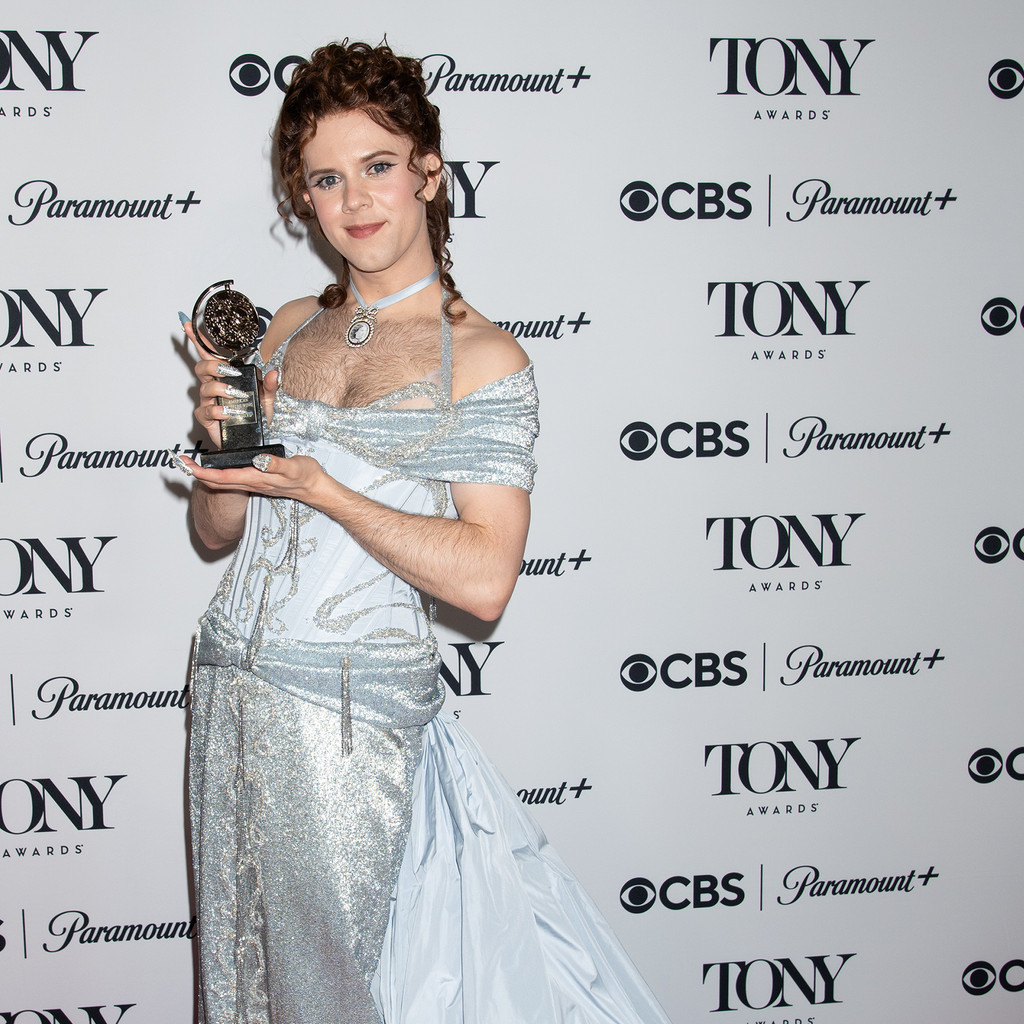
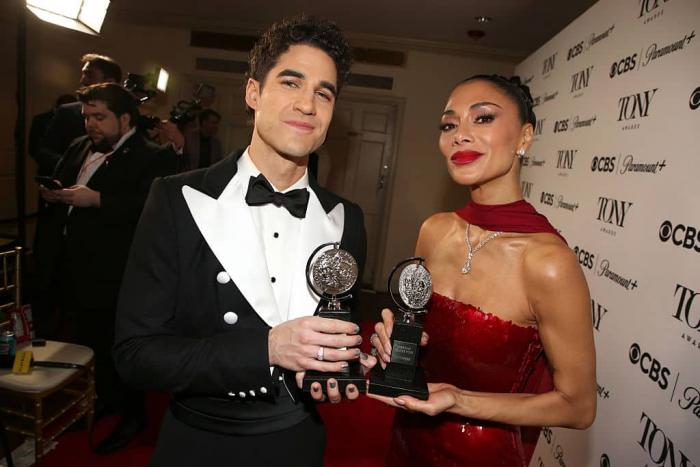
Among the night’s most notable milestones was Cole Escola’s win for Best Leading Actor in a Play. Escola, who also wrote the darkly comic Oh, Mary!, became the first openly non-binary performer to win in the category. In the musical categories, Darren Criss made history as the first Asian American performer to win Best Leading Actor in a Musical for Maybe Happy Ending, a poignant and unconventional love story co-created by Will Aronson and Hue Park. The show originally premiered in South Korea to critical acclaim, earning six Korean Musical Awards including Best Musical.
Nicole Scherzinger, a performer of Filipino and Hawaiian descent, was awarded Best Leading Actress in a Musical for Sunset Boulevard, a role traditionally played by white performers. Kara Young also made history, becoming the first Black actor to win consecutive Tony Awards for Best Featured Actress in a Play.
But this year’s Tonys weren’t just about who stood at the podium — they were also about the stories being recognised. Purpose, by Branden Jacobs-Jenkins, which took home Best Play, offered a powerful meditation on identity and accountability, reinforcing the growing visibility of Black playwrights on Broadway. Jacobs-Jenkins also made history as one of only three playwrights to win back-to-back Tony Awards — and the first Black playwright to do so — further underscoring the significance of his work and the strides being made for diverse voices on the Broadway stage. Maybe Happy Ending represented not just Korean creative voices, but a broader interest in international stories with emotional and cultural complexity.
Nominations also included English, a sharp, intimate portrait of Iranian students preparing for a language exam; Real Women Have Curves, a Latinx-led musical about body image, culture, and ambition; and Buena Vista Social Club, which brought Cuban music and history to the forefront. These works, each rooted in specific cultural identities, shared stories long underrepresented on major stages. Their presence in multiple categories signalled a conscious effort to broaden the theatrical canon to include voices and experiences that have too often been sidelined. Across the categories, artists from diverse racial and cultural backgrounds featured prominently, reflecting a growing commitment within the industry to recognise a broader spectrum of voices.
For Australian theatre-makers, the 2025 Tonys offer both inspiration and a challenge. While local stages have made strides (particularly in uplifting First Nations voices and multicultural narratives) representation still lags. The message from Broadway is clear: a more inclusive future is not only possible, it’s already underway. Australian theatre has the talent, the audiences, and the stories. What remains is the will to centre them.
Header image: Getty Images