
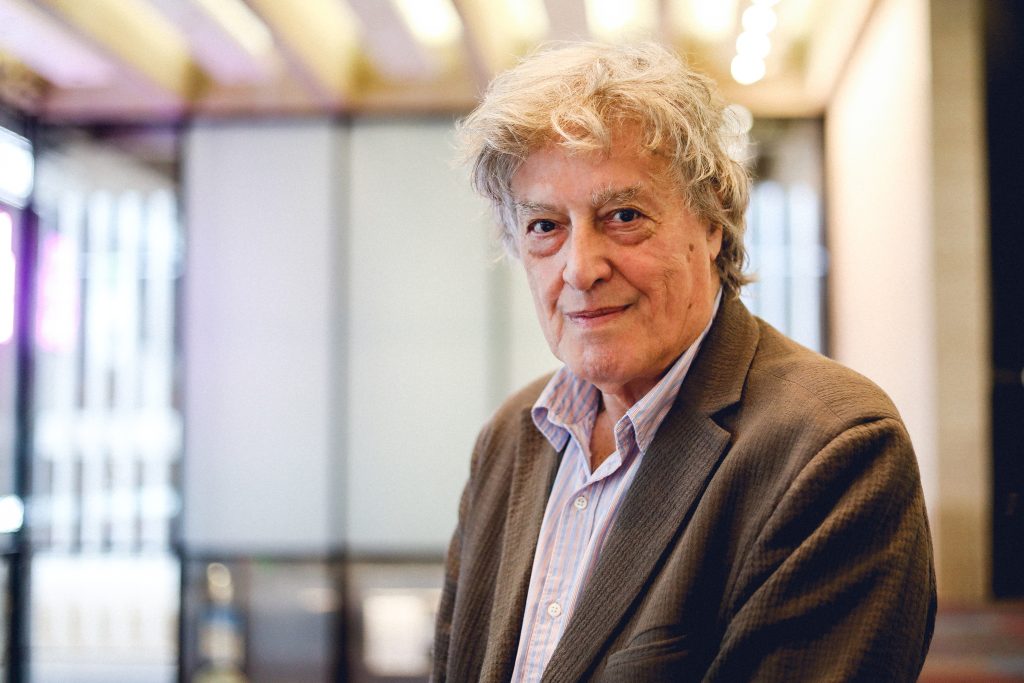
The Mind That Moved the Modern Stage: Remembering Tom Stoppard
The world has lost a voice whose intellect and imagination changed the way we understand art.
With the passing of Sir Tom Stoppard at 88, the global arts community pauses to honour a playwright whose work did more than entertain or enlighten — it reshaped modern drama. His plays, like the man himself, shimmered with intellect, humour, curiosity, and an unshakable belief in the power of language to reveal truth, or at least to question it.
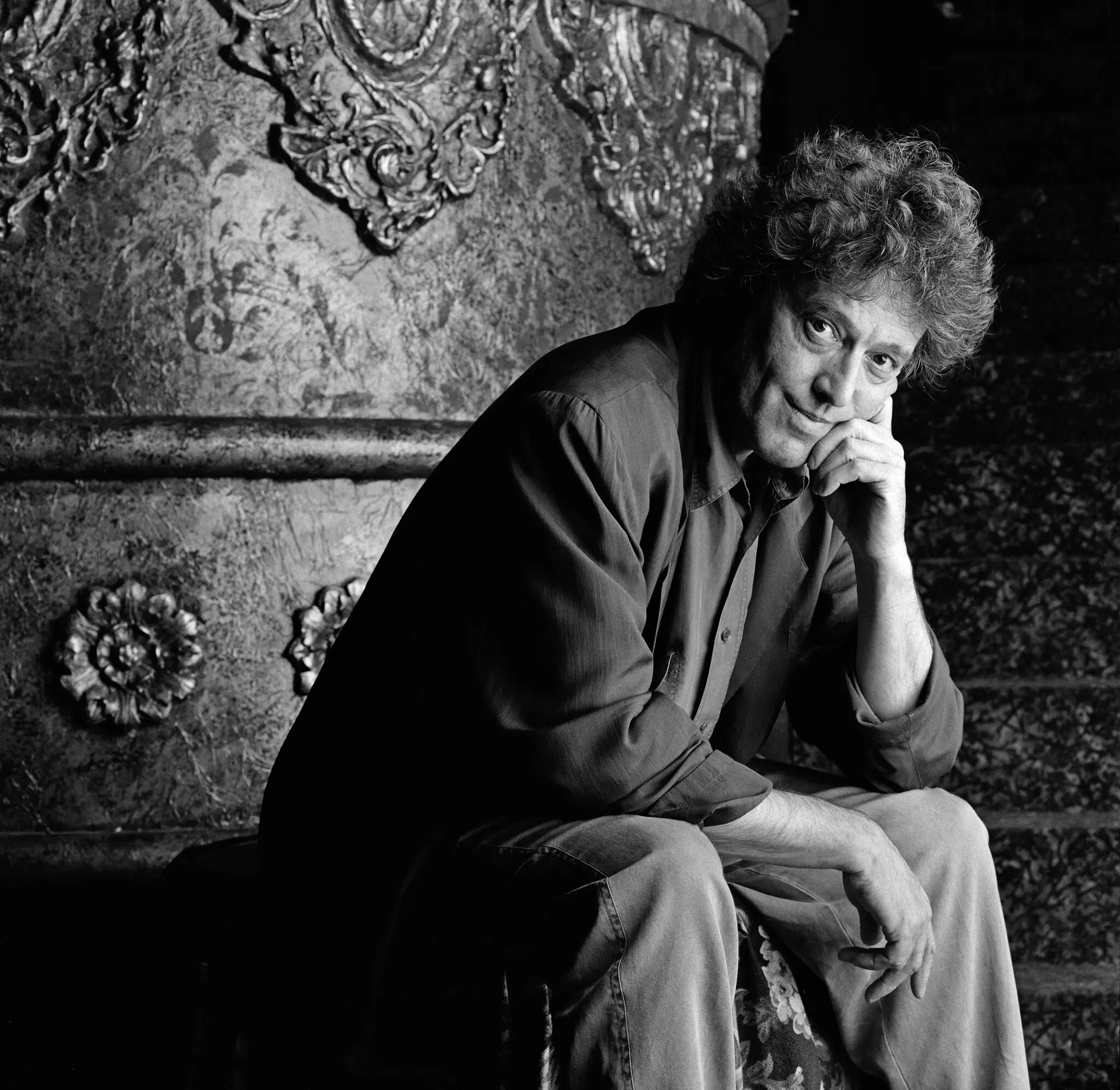
Stoppard’s life began in motion. Born Tomáš Straüssler in 1937 in Zlín, he fled with his family from the encroaching terrors of Nazi Europe. Themes of refuge, reinvention, and the delicate interplay between identity and history would later echo through his plays — always handled with the lightness and wit that became his signature. After settling in England, he began as a journalist, a training ground that sharpened his ear for dialogue and his sense of the tension between fact and interpretation, before theatre claimed him completely.
His arrival on the international stage was electrifying. Rosencrantz and Guildenstern Are Dead upended Shakespeare, existentialism, and theatrical convention all at once, turning two minor characters from Hamlet into bewildered philosophers wandering the edges of someone else’s tragedy. It was both playful and profound, immediately marking Stoppard as a writer who could turn metaphysics into comedy and comedy into revelation.
Over the next six decades, he built a body of work that modern theatre now leans on: Arcadia, with its weaving of mathematics, Romantic literature, and chaos theory; Travesties, a kaleidoscopic romp through art and revolution; The Real Thing, a piercing exploration of honesty, artistry, and love; The Coast of Utopia, a sweeping meditation on idealism; and Leopoldstadt, his late-career masterpiece tracing Jewish history with aching precision. Beyond theatre, Stoppard wrote for film and other media, including the surreal Brazil and the Oscar-winning Shakespeare in Love.
Stoppard transformed theatre by daring it to be clever without being cold, emotional without surrendering rigour. He trusted audiences with complexity — the jokes, the riddles, the philosophical puzzles. That trust paid off. “Stoppardian” entered the vocabulary to describe a style both erudite and effervescent, where ideas pirouette, language sparkles, and human frailty is treated with respect and curiosity. In an industry that often fears intellect as exclusionary, Stoppard made it a gift.
As tributes pour in from across the world, one truth is clear: Tom Stoppard was not just a playwright — he was a generational force. He enlarged the stage intellectually, emotionally, structurally, and he invited all who follow to think more bravely, write more boldly, and delight more fully in the strange, wondrous miracle of live performance.
His passing marks a profound shift, yet — as he reminded us — every exit is an entry. And the theatre he shaped remains sharper and more curious because he was here.
Header image by Marc J. Franklin