From Cadillac to Collapse: Liquidation, Phoenixing and the Growing Cost for Performers and Taxpayers
Glittering launch, hidden trouble
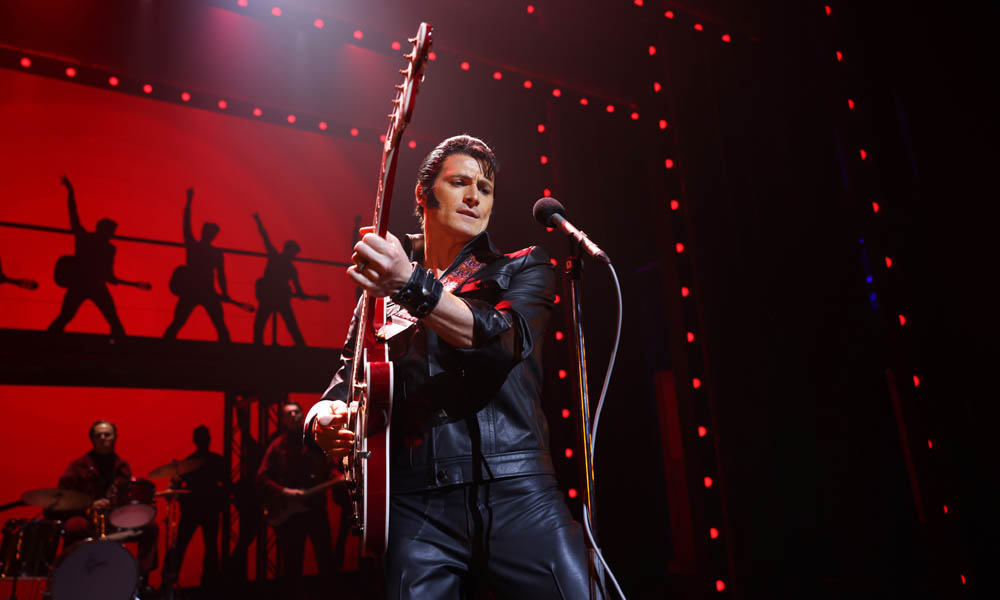
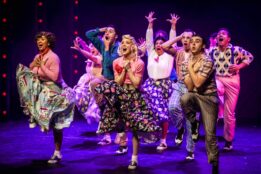
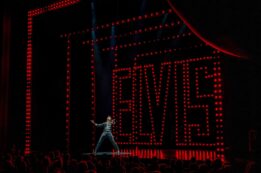
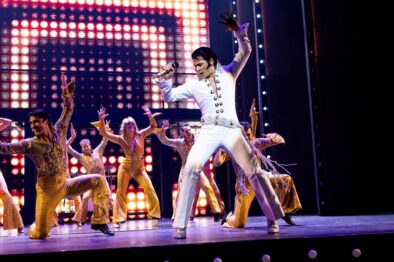
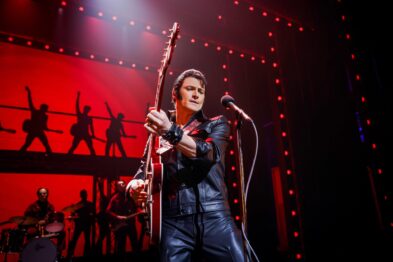
When ELVIS, A MUSICAL REVOLUTION opened in Sydney in August 2023, producer David Venn parked a vintage Cadillac in the Sofitel Wentworth ballroom, hired go-go dancers and served flowing cocktails. The opening-night party suggested success, yet liquidators now allege that David Venn Enterprises was already insolvent just two months earlier.
Seven point five million dollars in unpaid bills
Twelve months later the company collapsed with 7.5 million dollars in debts owed to seventy-seven creditors. The list includes 440 000 dollars in unpaid superannuation. Liquidators expect only 304 000 dollars to be recovered, meaning most suppliers, cast and crew will receive nothing.
The taxpayer foots the rescue bill
The federal Fair Entitlements Guarantee scheme has already advanced 744 000 dollars to cover outstanding wages and leave. Every Australian taxpayer, not the insolvent company, carries that burden.
Suspect transactions under investigation
Insolvency firm Mackay Goodwin has identified seventeen director-related transactions that may be unreasonable. Investigations continue into whether the company traded while insolvent for more than a year, a breach that can trigger civil penalties and criminal charges.
A new venture rises from the ashes
Despite the collapse, a fresh company, DV Live Pty Ltd, was incorporated in February 2025. Venn is the sole shareholder and his mother is listed as director. The outfit has already staged FOOTLOOSE and THRONES, THE MUSICAL PARODY. Industry veterans call this a classic example of phoenix activity, where a near-identical business starts trading while creditors of the old entity remain unpaid.
Phoenixing drains billions
A PricewaterhouseCoopers study for the ATO Phoenix Taskforce estimates that illegal phoenix behaviour costs the Australian economy between 2.85 billion and 5.13 billion dollars each year through lost taxes, superannuation and trade debts. Every dollar lost must be replaced by higher taxes or reduced public services.
Performers pay the human cost
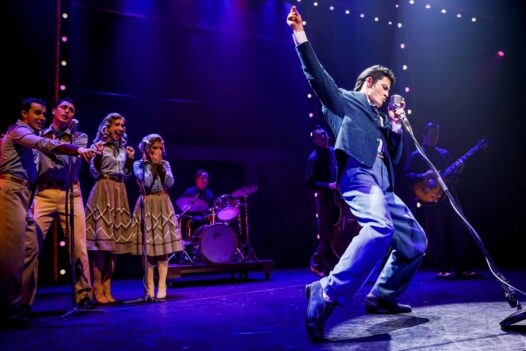
Freelance performers and technicians depend on episodic work. Many who toured with ELVIS are still owed thousands of dollars. Some have had to borrow money to cover rent and medical expenses. Industry union MEAA warns that repeated collapses erode confidence in Australian productions and push skilled artists overseas.
Calls for stronger safeguards
Stakeholders want:
-
Automatic director bans when unpaid worker entitlements exceed a fixed threshold.
-
Real-time payroll and super reporting across live entertainment to alert regulators as soon as contributions stop.
-
Expansion of the Director Identification Number regime to cover related-party shareholders, making it harder to hide behind family nominees.
A cautionary tale
High-risk creative ventures can succeed or fail. When producers ignore early warning signs and keep trading, however, performers, suppliers and taxpayers end up carrying the losses. The Cadillac in the ballroom was a symbol of show-business glamour. One year later it has become a reminder that transparency and accountability matter more than spectacle.
Photo Credit: Nicole Cleary