Beyond Tokenism: The Call for Bold, Diverse Transformation in Australia’s Theatre Industry
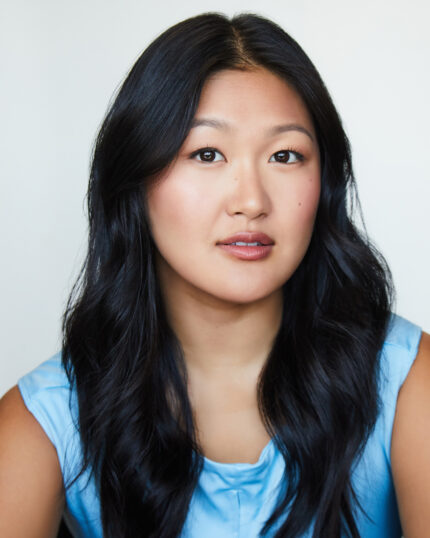
“As the only person of colour in my full time course I don’t think I was ever really seen as a leading lady – most of my castings have been the funny side character” (Kristie Nguy, VCA graduate and professional actor)
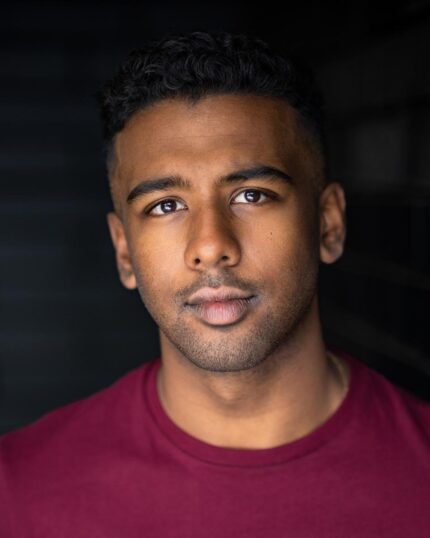
After 2020, the Australian theatre scene has embraced racial diversity principles in casting, but it still lacks boldness. There are calls growing for more POC-led (people of colour), written, and created industry productions. When the Black Lives Matter movement first took root in 2013, it didn’t just ignite a global call for racial justice—it sparked a long-overdue reckoning in the theatre world, opening the door for Black, Indigenous, and People of Colour actors to be seen, heard, and celebrated like never before. This movement created opportunities to tell more inclusive stories and embrace diverse perspectives. Professional Australian actor Rishab Kern is advocating for change within the theatre industry, urging a shift toward greater innovation and risk-taking. Kern champions diverse representation, highlighting how much the industry could evolve if more bold, inclusive decisions were made in casting and production. “BIPOC actors who break through for one casting role, are then discarded once they’ve met the diversity quota,” he said. “Having POC actors play roles that historically were predominantly played caucasian actors, but their race has nothing to do with the role, is an incredible way for casting to move forward. And it’s one of the reasons I think Australia is so far behind in the theatre scene.” Despite early progress, Australian casting appears to be slipping back to pre-pandemic norms, with many productions still dominated by white actors. Notable examples include recent revivals of Grease, Annie, Beauty and the Beast, and Wicked, all of which have cast white actors in major roles, sparking ongoing discussions about the industry’s commitment to diversity.
The Australian theatre industry lags behind Broadway in New York City and the West End in London in terms of diversity. Shows often feature just one token person of colour, claiming diversity without making meaningful change. Recent Productions like Opera Australia’s Follies, Annie, and Grease are prime examples of this pattern, raising questions about the industry’s commitment to genuine representation. The same can be said for inaccurate racial casting, specifically for recent Australian shows of West Side Story and Miss Saigon. VCA graduate and professional actress Kristie Nguy is “frustrated” at the “lack of trying from casting agencies” to actually cast a role:
They just think that anyone who looks the role, can book the job. Italian people playing Puetroricans in West Side story or Filipino people playing Vietnamese characters in Miss Saigon. I understand it can be difficult to meet the quotas of performance level and race, but casting companies should at least try.
Critics argue the industry favours international talent over investing in local performers, with major Michael Cassel productions like MJ, Hairspray, and Hamilton frequently casting leads from the US and UK—fueling concerns about opportunities for Australian actors in headline roles.
As the industry continues to evolve, the challenge remains: how can Australian theatre truly support a diverse, homegrown talent pool without tokenism or fleeting opportunities?
“There isn’t enough risk taking or there is fear surrounding the backlash as Australians play it safe,” Kern said. “There is so much a black queer woman could bring to the role of Hamlet. There are layers that POC actors can bring to roles but haven’t been given the chance to consistently in Australia. I’m not saying it hasn’t happened, but when it does its the one chance in a million, and it normally ends up being an incredible piece of theatre.”
The cancellation of the Rob Guest Endowment Scholarship in 2020 served as a wake-up call for Australian performers. The prestigious program, which awarded a $50,000 scholarship to its winner, had been a vital source of support and financial aid for young musical theatre talent.
The thirty finalists of the 2020 scholarship were filled with an all white cohort. The RGE was met with mass criticism of the award, reiterating the lack of diversity and opportunity for people who come from POC backgrounds. Organisers stated that they need “to work harder at encouraging entrants from the BIPOC community”.
The thirty finalists acknowledged that people from BIPOC communities deserve to be recognised and given the opportunity for such a prestigious award.
The Rob Guest Endowment cancelled the scholarship, releasing a statement to social media:
We clearly need to work harder at encouraging entrants from the BIPOC community because we are seeing few entries from that community. We did not consider race, colour, religion or gender when choosing a semi-finalist. Five years later, the Rob Guest Endowment Foundation has made a strong comeback, launching its own audition workshops aimed at “fostering excellence in the musical theatre industry.”
Their new initiative is to provide “training”, “opportunities” and “support to Australian performers” with a focus on “inclusivity and diversity.” Their new partnership for the program is with Stage A Change, a company that aims to “create, amplify and sustain professional opportunities for artists of colour in Australia.”
The only way that the Australian theatre industry can thrive is from embracing the origins of storytelling from characters, supporting and creating locally made works.
Rishab believes that “the theatre industry needs to find more writers from underprivileged backgrounds because they’re the ones who can tell the stories of POC actors.” It is imperative to view diversity as an enriching experience and addition to a story, rather than simply a box that needs to be ticked. “It allows us to feel seen when we walk into those auditions, and it doesn’t guarantee that we will book a job, but a shot to be seen as we are.”