Broadway Triumph Reborn on Screen as Merrily We Roll Along Makes Its Cinematic Debut
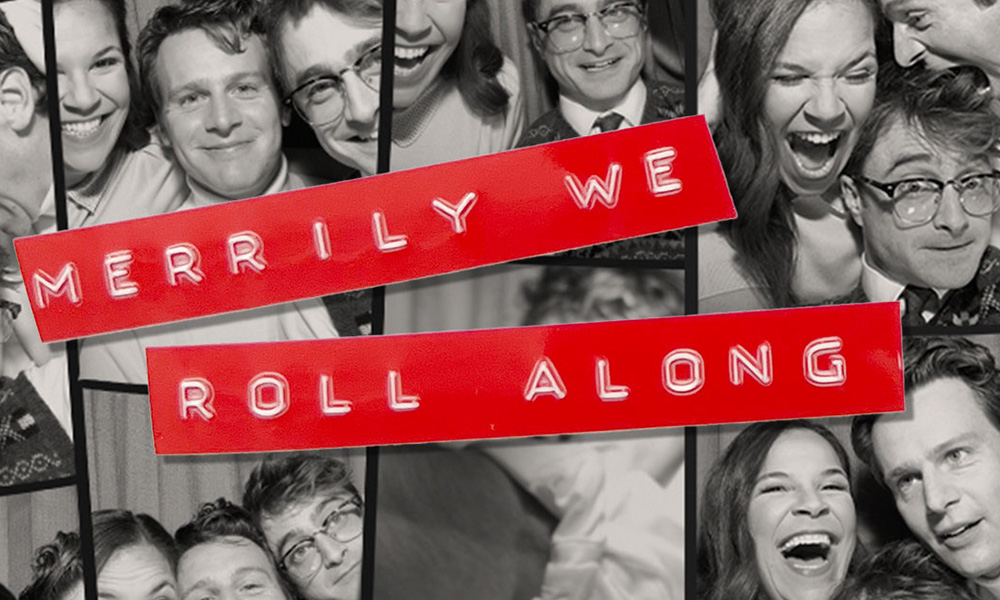
The Tony winning revival of Merrily We Roll Along has made an unexpected leap from stage to screen, arriving in cinemas as a full scale filmed adaptation of Maria Friedman’s acclaimed Broadway production. The decision to preserve the show came only in the final weeks of its run, despite its extraordinary critical and awards success. With four Tony Awards and sold out houses behind it, the team realised they would not be recreating this cast again, and the idea of capturing the production became both urgent and obvious.
Friedman saw the film as a chance to keep alive a version of Merrily that had redefined one of Stephen Sondheim’s most notorious failures. Cast members Lindsay Mendez, Daniel Radcliffe and Jonathan Groff described the project as a preservation of a shared experience that evolved over hundreds of performances. For them, the show’s ephemerality was part of its power, and the idea of fixing a single version forever was both daunting and exciting. The final result offered something few theatre actors ever receive: a lasting record of their work that audiences everywhere can revisit.
Determined not to create a static, archival document, Friedman approached the filming as an opportunity to rethink how a stage musical can be translated for cinema. Instead of relying on wide, fixed angles, she assembled a team of operators who learned the show inside out and were tasked with capturing detail, psychology and the shifting emotional undercurrents that play out beyond the spotlight. She prioritised intimacy, spontaneity and the searching, reactive moments that give live theatre its heartbeat.
The process behind the scenes proved far more complex than the smooth final product might suggest. Overhead lighting created technical challenges in the edit, forcing repeated work on individual shots, while the open mic structure of a Broadway house embedded audience reactions into every isolated track. Removing those sounds stripped the performances of their natural rhythm, as the company’s timing depended on real time laughter and gasps. Friedman instead opted to curate an aural presence that kept the audience spirit alive without overwhelming the cinematic frame.
While the director wrestled with these challenges frame by frame, the cast experienced the filming as surprisingly unobtrusive. With wide angles covered at night and close ups captured during daytime sessions, the actors were able to maintain the energy of their live performances while also refining emotional beats in a way that stage timing rarely permits. The process offered a hybrid experience that bridged live theatre and screen acting, giving new depth to performances that had already matured over many months.
For Friedman, the film ultimately represents a recalibration of how Merrily We Roll Along is understood. Long regarded as Sondheim’s great misfire, the musical has now been reframed through a production that resonated powerfully with audiences and critics. She sees the film as a way to share that reinterpretation globally, giving viewers who never reached Broadway access to a version that stands independently of the live staging.
For the cast, what remains is the lasting impact of a bond forged through the show’s demanding journey. The story’s themes of friendship, growth and time mirrored their own experience, and the film now serves as a testament to that connection as much as to the production itself.
With its cinematic release, Merrily We Roll Along begins a new chapter, inviting audiences far beyond New York to share in the work that reshaped the legacy of a once dismissed musical.