Racing Through History: Steven Kramer Reinvents PHAR LAP
Think you know Phar Lap? Think again.
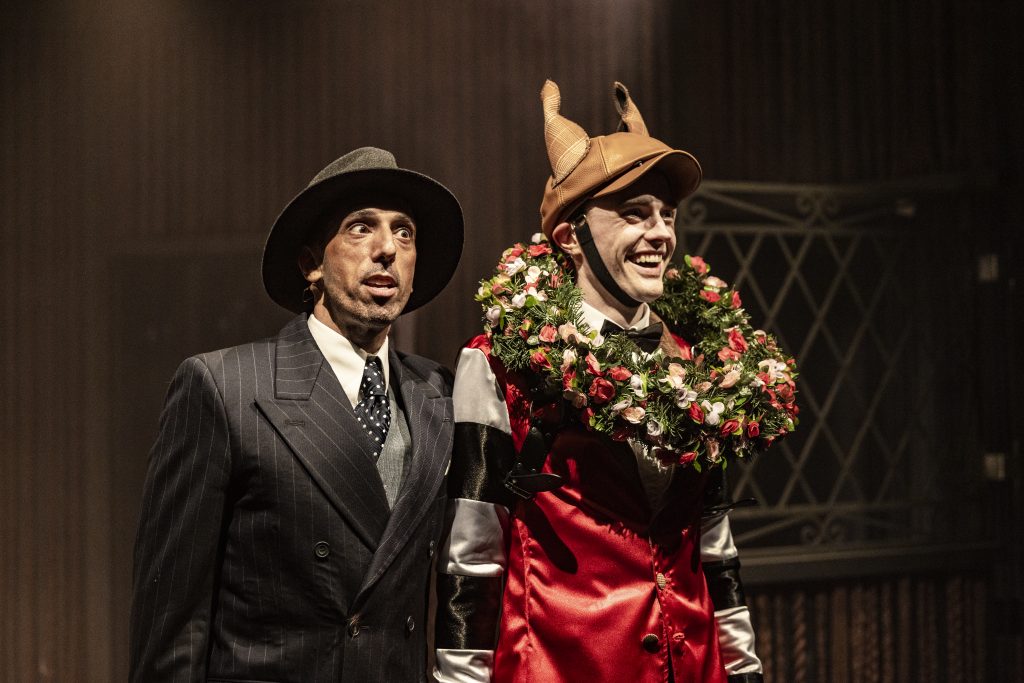
This isn’t your typical Australian hero story — it’s a high-energy, heart-thumping reimagining where history meets electro swing and mythology meets movement. Phar Lap: The Electro Swing Musical gallops through time and genre, giving the iconic racehorse’s tale a fresh, stylised spin that’s as dazzling as it is daring.
Phar Lap’s story is one that almost every Australian knows, but few have seen told this way. During the Great Depression, the champion racehorse became a symbol of resilience and hope, lifting the nation’s spirits at a time of hardship and uncertainty. His extraordinary rise to fame, followed by his sudden and controversial death, cemented him as both a national icon and a lasting mystery. It’s this intersection of triumph and tragedy that makes his story so compelling for the stage — a reminder of how myth and memory often blur when we talk about the heroes who shape our cultural identity.
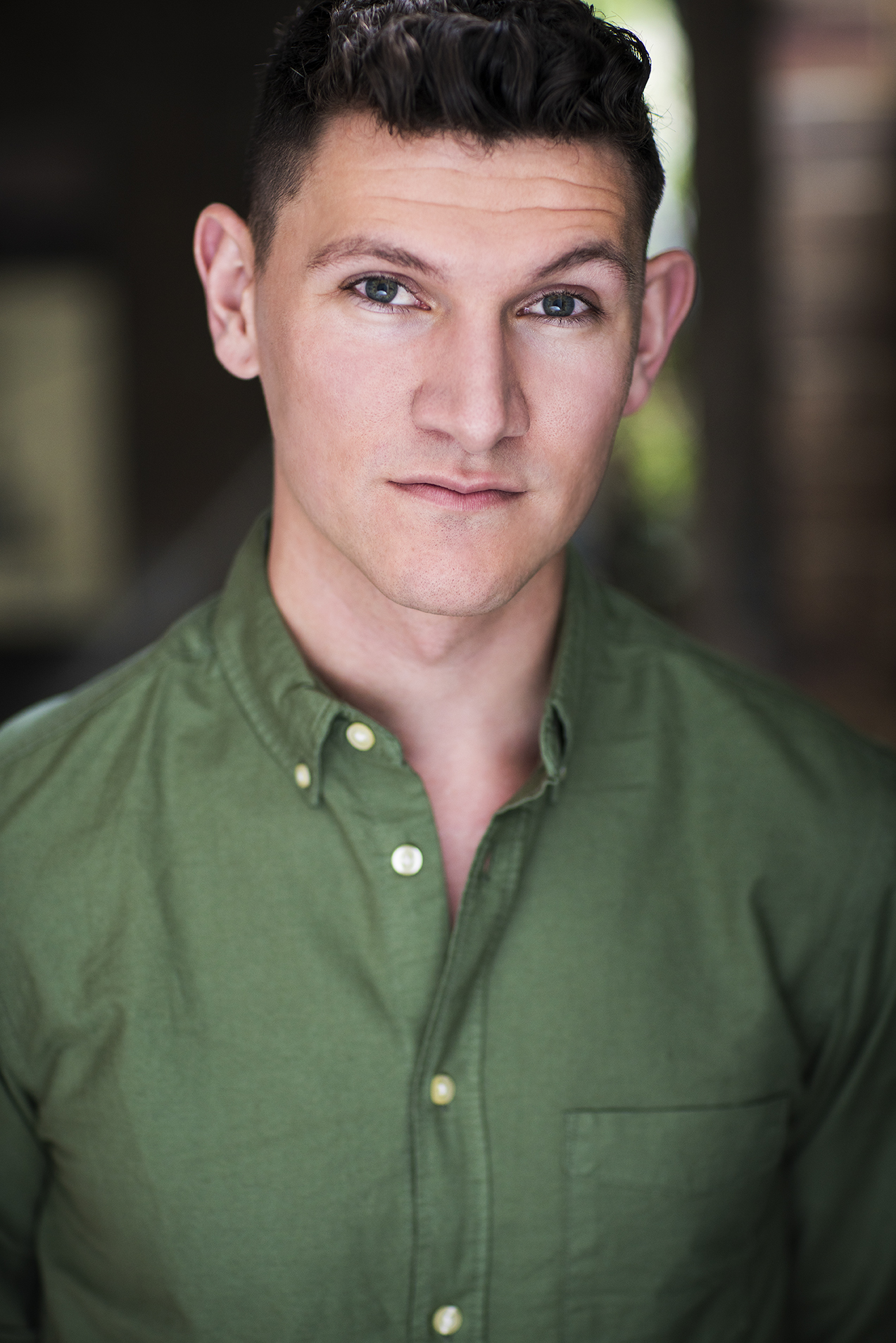
At the helm of this new work is Steven Kramer, a multi-faceted artist working across music direction, composition, writing and performance. A long-time collaborator with Hayes Theatre Co, his credits include Little Shop of Horrors, Calamity Jane, Assassins, Rent and Jekyll and Hyde — for which he won the Sydney Theatre Award for Best Musical Direction. Steven has also worked on major commercial productions including Beauty and the Beast, Chicago, Mary Poppins and Frozen.
Passionate about new Australian work, he has contributed to productions such as The Dismissal, Evie May and Zombie: The Musical, and composed the opening number for the Sydney WorldPride Domain Concert. His original musical Phar Lap: The Electro Swing Musical premieres at Hayes Theatre Co in 2025. Steven is also co-founder of Curveball Creative, producers of Who’s Your Baghdaddy, or How I Started the Iraq War and Once On This Island.
With Phar Lap, Kramer brings together his love of storytelling and music to transform a piece of folklore into a vibrant, stylised world of spectacle and emotion.
What first inspired you to tell Phar Lap’s story?
Steven: Honestly, I was baffled that one of our greatest national icons, right up there with Cathy Freeman and Banjo Paterson, is a horse. I couldn’t stop thinking about what it says about us that our most beloved hero can’t even give a speech. From there, the idea of a musical about a horse felt too deliciously absurd to ignore. I immediately saw tap-dancing thoroughbreds, belting brumbies, and a chance to send up the grand tradition of the “inspirational biopic musical” by giving it four legs and a bridle. The more I read, the juicier it got: assassination attempts, shady bookies, the Great Depression. It had all the makings of a camp, over-the-top musical and a surprisingly human story about the Australian underdog – the winner who’d really rather not make a fuss about it.
Electro swing isn’t a common genre in musical theatre — how did that sound world shape your storytelling?
Steven: Imagine if Duke Ellington and David Guetta had a musical baby. That’s electro-swing. It’s big brassy horns remixed into a dance-floor hit (think Baz Luhrmann’s ‘Great Gatsby’). Phar Lap’s world sits between those two sounds: the innocence of the early twentieth century and the corruption of fame and greed. The show is a modern retelling of a 1920’s story, so the music had to bridge both 1920 and 2020. There are classic jazz and Broadway numbers, but the electronic pulse kicks in whenever we hit Flemington or the darker, glitzier side of racing. Phar Lap’s “I Want” song starts as a Gershwin-style tune, but by the time he hits the club at Hoof Doof, the beats take over. Electro-swing doesn’t just score the show; it charts Phar Lap’s journey from bright-eyed optimism to a world that’s faster, louder, and a little more dangerous.
How has the piece evolved since its first workshops?
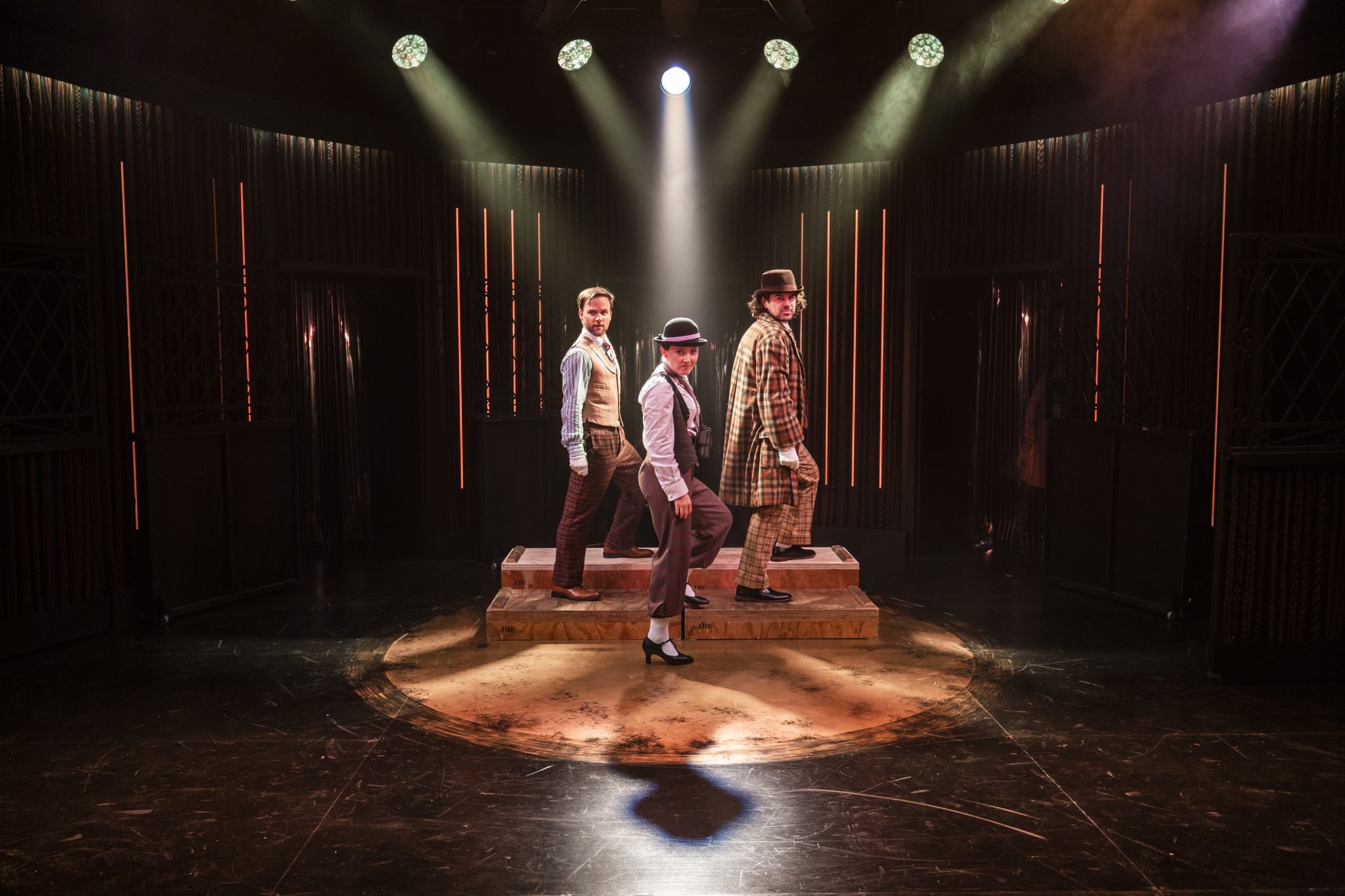
Steven: Every draft got bolder. I realised I could lean even further into the comedy and absurdity. If Jim Pike was the only jockey who could truly tame Phar Lap, what if he was a full-blown leather daddy? How camp and opulent could we make Madame X? How dark could the glue factory jokes get? And how many is too many horse puns? Early versions were almost too historically accurate. Over time, we started finding the most interesting “clown” in each character and building caricatures that made the comedy sing. Songs were swapped between characters, timelines shifted, and whole scenes rewritten to keep the pace galloping. The announcer, our narrator-slash-race-caller, evolved with every draft until she became the show’s engine. There were rewrites all through rehearsals and right up to opening night. The cast were amazing at rolling with them – “here’s thirty new pages today, good luck!” Every new draft was printed on a different coloured page, so by the end of rehearsals our scripts looked like rainbows. I’ve learned you can only find what a show is by discovering what it isn’t. Fifty drafts later, the story underneath finally revealed itself.
What kind of research went into writing the show — were there any discoveries that changed your direction?
Steven: There’s no shortage of books, podcasts, and newspaper archives about Phar Lap, and I tried to absorb as much as I could without letting the truth get in the way of a good gag. Visiting the Melbourne Museum and seeing Phar Lap in the (taxidermied) flesh was surreal. He’s enormous, almost regal, surrounded by memorabilia that shows just how deeply he united the country. But it is strange to think we’ve got a national treasure in a glass box. We certainly don’t have Donald Bradman taxidermied and on display (though he does make a guest appearance in the show). Madame X was my favourite discovery. She was a professional punter who dominated the racetrack in an era that barely tolerated women in the betting ring. Her success horrified men like Andy Kerr, who wrote in a newspaper article that women on the track were “pests personified.” She later ran a betting scheme that sent him bankrupt. You don’t need to invent drama when history gives you that.
What do you hope this musical contributes to the growing landscape of new Australian works?
Steven: I think we’re in a bit of a renaissance for new Australian musicals. We’re finally starting to play with the form, tell our own stories, and show off that uniquely Aussie mix of reverence and ridiculousness. Phar Lap is part of that movement. It’s unapologetically homegrown, full of heart, and proudly stupid in all the right ways. I want people to have such a great time seeing this show that when the next new Australian musical trots along, they’ll happily take a punt on that too. We don’t yet have the audiences or infrastructure that Broadway or the West End enjoy, so a lot of us are still figuring out how to make new work in real time. It’s messy, a bit scrappy, and always an experiment. But if we can build audiences who want to see original Australian stories, we can keep refining until our shows stand proudly next to the quirky, brilliant Broadway and off-Broadway work we all admire. If people walk out saying, “That was the most fun I’ve had in a theatre,” then I’m happy. I just want to make people laugh, connect, and feel proud of something homegrown with a heart as big as Phar Lap’s.
Phar Lap: The Electro-Swing Musical is playing now at Hayes Theatre Co.
For tickets and more information, visit the Hayes Theatre Co. website.
Header photo by John McRae