
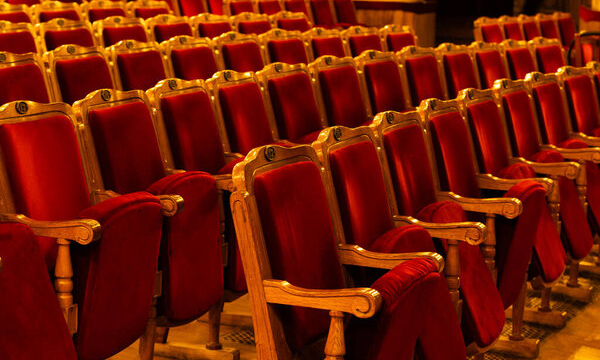
The West End’s Most Uncomfortable Secret: Why London’s Theatres Need a Seat Upgrade
For all its glamour, history, and world-class artistry, London’s West End has a problem that audiences can no longer ignore. It is not the ticket prices, the interval queues, or the unpredictable weather outside. It is the seats.
Anyone who frequents the theatre knows the feeling: after two acts of brilliance on stage, you stand up to applaud — and your spine protests louder than the orchestra’s final note. From the stalls to the balcony, countless theatre lovers are walking away from productions with stiff backs and sore knees, wondering why the world’s greatest theatre district feels so physically punishing.
A Legacy of Beauty and Pain
The explanation lies in history. Many of the West End’s grandest venues were built in the late 19th and early 20th centuries, in an age when audiences were smaller, both in stature and expectation. These buildings are architectural treasures — with gilt edges, velvet curtains, and chandeliers that could outshine a royal ballroom — but their charm comes at a literal cost.
Victorian theatre designers never envisioned three-hour musicals, tourists over six feet tall, or the modern understanding of ergonomic comfort. Seats were narrow, legroom was minimal, and comfort was secondary to capacity. Today, that legacy feels less like heritage and more like endurance sport.
Price vs. Comfort
Adding insult to injury, modern ticket prices have soared into triple figures. A prime seat in a hit musical can easily top £100, sometimes double that for premium seats. For many, it is a once-in-a-lifetime treat — yet they spend it wedged into something closer to a child’s classroom chair than a seat at a world-class venue.
Cinemas, airlines, and even football stadiums have evolved to prioritise audience comfort. Reclining seats are standard in many movie theatres for a tenth of the price. Premier League stadiums have invested millions in upgrading facilities. Meanwhile, the West End remains stuck in its ornate but unforgiving past.
The Tradition Dilemma
Defenders of the status quo argue that the seats are part of the historic fabric of London’s theatre scene. Renovating them, they say, would destroy the authenticity of heritage venues. But authenticity should not be an excuse for discomfort.
We do not cling to other Victorian traditions that no longer serve us. Nobody is demanding a return to smoking indoors or restricting women from the stage. Yet for some reason, cramped, creaking chairs are treated as untouchable relics. Preservation must not come at the expense of progress, especially when it undermines accessibility and inclusivity — two values modern theatre claims to champion.
A Modern Benchmark
The National Theatre proves that culture and comfort can coexist. Its spacious, well-designed seating ensures that attention stays on the performance, not the pins and needles in one’s legs. The Gillian Lynne Theatre, home to modern productions like Cats and School of Rock, also demonstrates that comfort need not compromise atmosphere.
These examples show that updating theatres is not about stripping away history. It is about respecting audiences who invest their time, money, and passion in the live arts.
A Global Standard for a Global Stage
London competes on a global stage with New York’s Broadway, Tokyo’s Shibuya, and Sydney’s performing arts precincts. Tourists travel thousands of miles for the magic of the West End, but too often their lasting memory is a stiff back instead of a standing ovation.
For a city that prides itself on innovation, London’s theatres are strangely resistant to change. If the capital wants to maintain its reputation as the home of live performance, it must treat audience experience as seriously as it treats artistic excellence.
Curtain Call for Change
Theatre is about empathy, connection, and storytelling. Audiences should leave the venue inspired, not in pain. Comfortable seating may not make headlines or win awards, but it shapes how people remember their night at the theatre.
In 2025, world-class performance deserves world-class comfort. The West End should be a joy from curtain up to curtain call — not a test of endurance. The magic on stage deserves to be matched by the comfort in the seats. After all, even the best performance in the world cannot distract from a numb backside.
Photo Credit: DepositPhotos.com