Paws on the Pavement: Why WEST END WOOFS (& MEOWS) Is More Than a Theatrical Gimmick
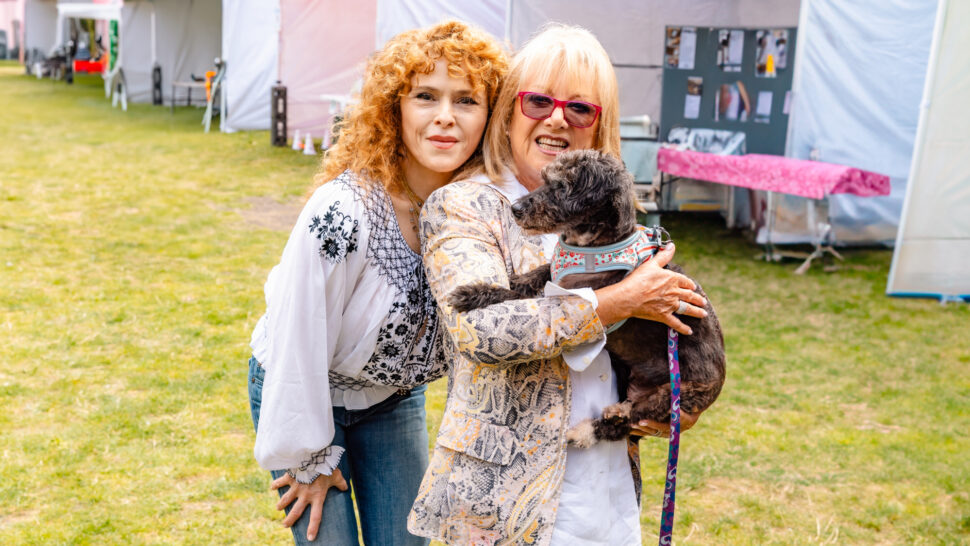
Each year, amid the glamour of London’s theatrical heart, a peculiar kind of red carpet event unfolds. The usual suspects are present – sequins, applause, even standing ovations. But the stars of this show have four legs and a bark or a purr, and the audience response is not just warm, it is thunderous. WEST END WOOFS & MEOWS, hosted once again by legends Bernadette Peters and Elaine Paige, may appear to some as charming novelty. But this annual showcase, where adoptable rescue animals share the limelight with theatre royalty, offers a surprisingly potent lens through which to explore theatre’s evolving sense of responsibility, community, and care.
More Than Fluff: When Advocacy Meets Artistry
On the surface, WEST END WOOFS (& MEOWS) is delightfully uncomplicated. A parade of dogs and cats from shelters across the UK take the stage at the opulent Café de Paris or the Savoy Theatre, guided lovingly by West End performers. They wag and wriggle. The audience swoons. The hope is that by curtain call, someone falls in love and offers a forever home.
But dig deeper and this event represents a rare instance of mainstream theatre bending its spotlight toward grassroots advocacy. In an industry that often grapples with how best to engage in social causes without appearing performative, this production strikes a compelling balance. It is not just a gala with cute pets. It is a statement that art and empathy can co-exist without compromising either.
Elaine Paige, who has supported animal welfare initiatives for decades, spoke recently of the event’s “quiet radicalism.” She said, “In the West End, we’re used to telling stories with human stakes. But this is real-life transformation. These animals are not cast members. They’re beings with histories, looking for futures.”
While Broadway has long held its Broadway Barks event, co-founded by Bernadette Peters and Mary Tyler Moore, the London edition, although younger, has found a distinct rhythm. It feels uniquely British, slightly reserved, extremely heartfelt, and unashamedly sincere.
Curtain Calls and Kennel Calls: The Backstage Ballet
One of the most overlooked aspects of WEST END WOOFS (& MEOWS) is the meticulous choreography it demands behind the scenes. Stage managers, handlers, and performers must balance showbiz poise with animal unpredictability. That means adapting warm-up rooms into makeshift kennels, having emergency carpet cleaners on standby, and rehearsing not only entrances and exits, but exits that may involve spontaneous squirrel-chasing.
Yet the backstage world has embraced the chaos. Several cast members who participated in last year’s showcase likened the process to “doing CATS but with actual cats.” There is camaraderie in the unpredictability, a spirit that reminds jaded performers why they fell in love with live performance in the first place.
Leanne Jones, Olivier Award-winner for her role in HAIRSPRAY, described the moment she guided a shy Labrador named Tilly onstage. “She froze at the wings. I froze too. But then she looked at me, I sang a few lines of Good Morning Baltimore, and she walked with me. That moment was as alive and moving as any night I’ve ever had at the Palladium.”
These small backstage acts of tenderness are rarely captured on camera, yet they speak volumes about the theatre community’s ethos. It is not just about spotlighting animals. It is about restoring dignity, to performers and pets alike.
Dogs, Diversity, and Disruption
There is also a quietly disruptive undercurrent to the event. Theatre is often scrutinised for its accessibility issues, its gatekeeping tendencies, and its perceived elitism. But when an adoptable mutt ambles across the Savoy stage, uninterested in applause or pedigree, something democratic happens.
WEST END WOOFS & MEOWS is theatre unfiltered. No one is expected to understand subtext or endure a three-hour epic. There is no interval. The emotional transaction is immediate and universal. Even those with no theatrical background find themselves drawn into the joy and urgency of the evening.
Furthermore, the event has become a surprising bridge between theatre lovers and animal welfare organisations. Some attendees come for the stars, but leave with pamphlets on fostering or plans to volunteer at their local shelter. It is a ripple effect that expands well beyond the stalls.
There is also growing interest in expanding the concept beyond London. Smaller regional theatres from Manchester to Bath have begun exploring similar collaborations with local rescue centres. In doing so, they are rethinking the role of theatre foyers, casting calls, and even social media strategies. Imagine a touring production of ANNIE that incorporates local shelter dogs as Sandy candidates in each city. The potential for civic engagement, press coverage, and good old-fashioned feel-good theatre is enormous.
The Cast They Did Not Audition For
Perhaps the greatest lesson of WEST END WOOFS (& MEOWS) is one about inclusion. These animals, once neglected, now take centre stage. They are not trained performers. They are not polished. They do not know their marks or how to hit a high note. But they are witnessed. They are valued.
And in that brief, beautiful moment, when a rescue dog locks eyes with an audience member while Memory plays in the background, theatre becomes something more than a mirror to life. It becomes an active agent in improving it.
In a time when the arts are being asked to justify their relevance, WEST END WOOFS (& MEOWS) offers a deceptively simple answer. It shows that theatre can still move people to laughter, to tears, and sometimes, to action.
As Bernadette Peters puts it, “When people leave with a song in their heart and a leash in their hand, you know something magical just happened.”
And really, what more could any show aspire to?